
Introduction
When you book movie tickets, you often see two tempting options: 3D and IMAX. Both promise a more immersive experience than a standard screening—but the way they work, how they look, and how much they cost can be very different.
If you’re wondering “3D vs IMAX – which is better for my next movie?”, this guide will walk you through the key differences in screen size, brightness, depth, sound, comfort, and ticket price. We’ll also compare IMAX 3D with RealD, Dolby 3D, and 4DX, and show how a new option—3D LED cinema screens—can go even further than projection.
In simple terms: 3D focuses on creating depth by showing two images to your eyes, while IMAX focuses on delivering a much larger screen, brighter projection, and more powerful sound. IMAX 3D combines both technologies — but they are not the same thing.
Short answer: IMAX is usually better for large-scale blockbusters, while standard 3D is cheaper and more widely available.
Quick Answer: 3D vs IMAX – Which Should You Choose?
- If you want the biggest screen, sharpest details and most immersive sound, choose IMAX (especially IMAX 3D or IMAX with Laser) for action, sci-fi and epic blockbusters.
- If you want a cheaper ticket and a simple 3D effect, standard 3D or RealD 3D is usually enough for family movies and casual viewing.
- If you are a cinema owner or system integrator, the most future-proof choice is a 3D LED cinema screen—it can be 5–10× brighter than IMAX projection, with higher contrast and a much longer lifetime.
Is IMAX Always 3D?
No, IMAX is not always 3D.
IMAX refers to a large-format cinema system known for its massive screen size, enhanced projection technology, and powerful surround sound. Movies shown in IMAX theaters can be presented in either 2D or 3D, depending on the film and the theater’s setup.
IMAX 2D focuses on delivering a sharper, brighter, and more immersive large-screen experience without depth effects. IMAX 3D, on the other hand, adds stereoscopic depth using specialized glasses and dual projection systems.
In short, IMAX describes the theater format, while 3D describes the viewing effect. They are related but not the same thing.
IMAX 2D vs IMAX 3D: What’s the Difference?
The main difference between IMAX 2D and IMAX 3D is the depth effect.
IMAX 2D offers an ultra-large screen, high-resolution projection, and powerful sound without requiring special glasses. It delivers brighter images and is often preferred for action movies, documentaries, and films with stunning cinematography.
IMAX 3D uses dual projectors and 3D glasses to create a stereoscopic depth effect. It enhances immersion by making objects appear to extend beyond the screen, which works particularly well for sci-fi and animated films.
- Brightness: IMAX 2D is typically brighter.
- Immersion: IMAX 3D provides added depth perception.
- Comfort: Some viewers find IMAX 2D more comfortable due to no glasses.
- Ticket Price: IMAX 3D usually costs more.
If you prefer maximum clarity and brightness, IMAX 2D may be the better option. If you want enhanced depth and spectacle, IMAX 3D can provide a more dramatic experience.
What Is 3D and How It Works
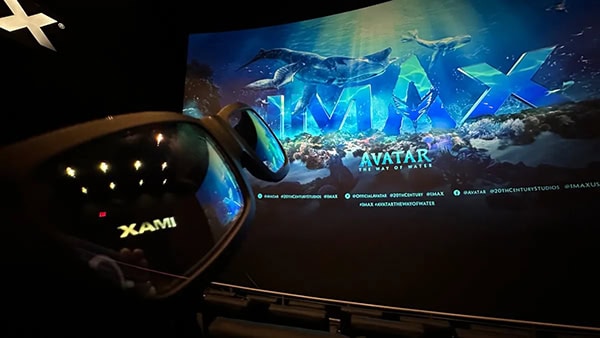
3D, or three-dimensional movies, make flat images look like they have real depth. The screen shows two slightly different pictures at the same time — one for your left eye and one for your right. Your brain then merges them into one image, creating the feeling that objects are coming out of or going into the screen.
To watch 3D movies, you need special glasses. These glasses help each eye receive the correct image, allowing your brain to build the 3D effect.

Today, there are several common types of 3D systems used in cinemas:
- Standard 3D: Uses basic polarized or shutter glasses to separate the left and right images.
- RealD 3D: The most popular 3D format, offering lightweight polarized glasses and bright visuals.
- Dolby 3D: Uses color filters instead of polarization for more accurate colors, but it’s more expensive to operate.
- 4DX 3D: Adds motion seats, wind, light, and scent effects to create a full sensory experience.
Overall, 3D enhances depth and realism, but its image quality can vary depending on projector brightness, viewing angle, and the type of glasses used.
Reference: https://en.wikipedia.org/wiki/3D_film
What Is IMAX?
IMAX stands for “Image Maximum.” It’s more than just a bigger screen — it’s a complete cinema system that combines advanced projection, powerful sound, and carefully designed theater architecture.
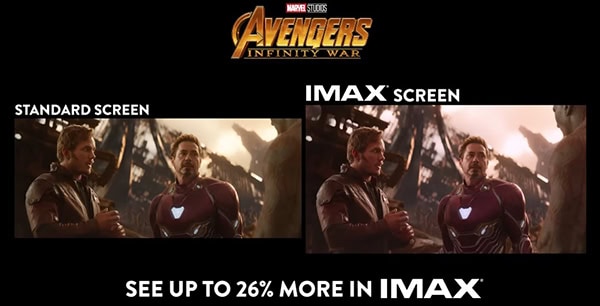
IMAX theaters use dual 4K or 8K laser projectors and a curved, floor-to-ceiling screen that can stretch over 22 meters wide. This setup delivers stunning brightness and crystal-clear detail. Thanks to its unique 1.43:1 or 1.90:1 aspect ratio, audiences can see up to 26% more picture compared to regular cinemas.
The sound system is another key part of IMAX. It’s engineered to produce precise, immersive audio from every direction, making every explosion or whisper feel real.
In short, IMAX is all about scale, detail, and immersion — it makes you feel like you’re truly inside the movie.
Reference: https://en.wikipedia.org/wiki/IMAX
IMAX vs 3D: Key Differences Explained
Although both 3D and IMAX aim to make movies look more realistic, they do it in very different ways. Here’s a closer look at how they compare in several key aspects.
Screen Size and Design
- 3D movies can be shown on regular cinema screens. The size depends on the theater, so it might not feel very large or immersive.
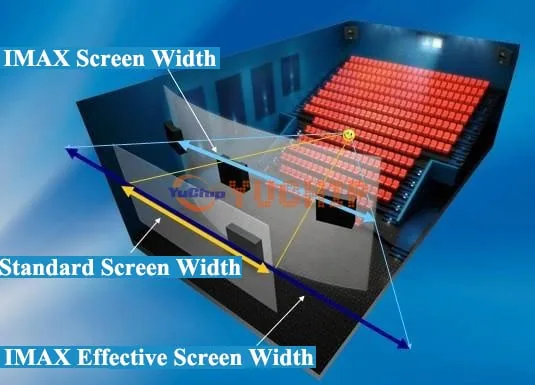
- IMAX, on the other hand, uses massive, curved screens that can stretch more than 20 meters wide. The curved shape helps fill your field of vision, making you feel surrounded by the image.
In real-world applications, the definition of a “giant screen” has expanded beyond IMAX. Some permanent LED installations now cover tens of thousands of square meters. A full list of the world’s largest LED screens can be found here.
→If you’d like to know how IMAX compares with other large cinema formats, check out our detailed guide on Giant Screen vs IMAX
Image Resolution and Clarity
- In most theaters, 3D films are projected in 2K or standard 4K. However, the glasses used for 3D can slightly reduce brightness and sharpness.
- IMAX typically uses dual 4K laser projectors, with higher-resolution systems in select premium locations. The picture is extremely bright, clear, and detailed—even when you’re sitting close to the screen.
Depth and Realism
- 3D technology creates depth by showing two slightly different images—one for each eye. This makes objects look like they pop out of or sink into the screen.
- IMAX focuses on realism through its huge screen and ultra-high resolution. While IMAX 3D combines both technologies, even IMAX 2D can feel immersive because of its size and detail.
Sound System
- Most 3D cinemas use standard surround sound systems. They’re good, but not highly specialized.
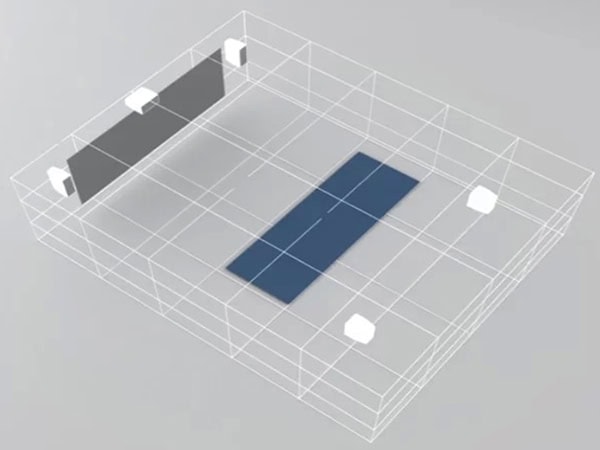
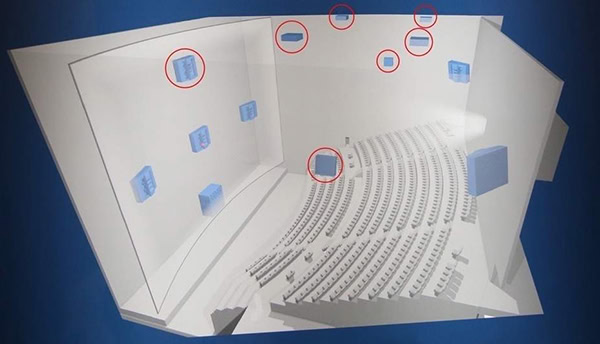
- IMAX theaters use a custom sound system with powerful speakers placed around the room—even behind the screen. You can hear sound move smoothly from one side to another, creating a lifelike audio experience.
Viewing Comfort
- In 3D movies, some people may feel eye strain or dizziness, especially during fast-moving scenes. The glasses also slightly darken the image.
- IMAX is usually more comfortable to watch. The bright picture, clear sound, and large viewing area allow your eyes to relax naturally.
Cost and Availability
- 3D tickets are usually cheaper and more common in local theaters.
- IMAX tickets cost more because they involve advanced projectors, sound systems, and theater design. However, many viewers feel the extra cost is worth it for the experience.
Summary Table: 3D vs IMAX Comparison
| Feature | 3D | IMAX |
| Screen Size | Regular cinema screens; varies by theater | Very large, curved screens (up to 22 meters wide) |
| Projection Quality | Usually 2K or standard 4K; brightness slightly reduced by glasses | Dual 4K or 8K laser projection for ultra-clear images |
| Depth Effect | Creates depth by sending different images to each eye | Focuses on large-scale realism; IMAX 3D adds true depth |
| Glasses Required | Yes, always | Only for IMAX 3D, not needed for IMAX 2D |
| Sound System | Standard surround sound | Custom multi-channel sound system with precise directionality |
| Viewing Comfort | Some people feel eye strain or darker images | Brighter and more comfortable viewing experience |
| Cost | Lower ticket prices | Higher ticket prices due to advanced tech and theater design |
| Availability | Common in most theaters | Fewer theaters, usually in large cities or major cinemas |
IMAX 3D vs Other 3D Formats: RealD, Dolby, and 4DX Compared
RealD 3D vs IMAX 3D: Brightness and Depth
IMAX 3D and RealD 3D are two of the most common formats in modern cinemas. Both use stereoscopic projection to create depth, but their systems are quite different.
IMAX 3D uses dual-laser or dual-projector setups that produce extremely bright and sharp images. Because the screen is larger and slightly curved, you get a natural sense of depth without feeling forced. The glasses are polarized but designed for better light transmission, so the image stays vivid.
RealD 3D, on the other hand, uses a single projector with a circular polarization system. The glasses are lightweight and comfortable, but the picture can appear dimmer—often up to 30% less brightness than IMAX 3D. However, it’s more affordable for theaters and remains the most widely used 3D system worldwide.
In short: RealD 3D is convenient and budget-friendly, while IMAX 3D delivers a brighter and more immersive viewing experience.
IMAX 3D vs Dolby 3D: Color and Clarity
Dolby 3D and IMAX 3D both target premium cinema experiences, but they achieve it in very different ways.
Dolby 3D uses a special color-separation technique that filters light into different wavelengths for each eye. This method produces excellent color accuracy and contrast, often making images look more lifelike. However, Dolby 3D requires more complex hardware and uses heavier, more expensive glasses.
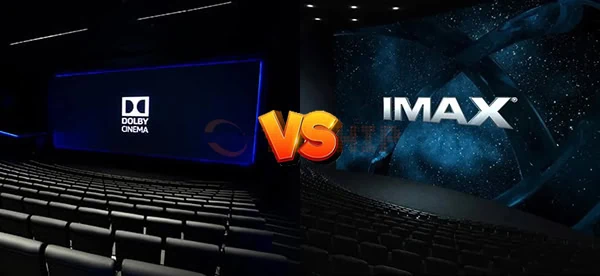
IMAX 3D, in contrast, focuses on brightness and scale. Its laser projectors and massive screens make even small details stand out. The color range is wide, though not as precise as Dolby’s. What IMAX 3D lacks in color perfection, it makes up for in cinematic impact and clarity.
If you prefer rich, true-to-life colors, Dolby 3D might win. But for big, jaw-dropping visuals, IMAX 3D is hard to beat.
IMAX 3D vs 4DX 3D: Scale vs Sensation
When comparing IMAX 3D with 4DX 3D, the difference lies not in picture quality—but in how you experience the movie.
- IMAX 3D gives you a massive screen, powerful sound, and a deeply realistic image. You feel surrounded by the film’s world without any physical motion.
- 4DX 3D, meanwhile, adds moving seats, wind, scent, and vibration effects, turning the movie into a multi-sensory ride. It’s fun and exciting but can sometimes distract from the story or visual details.
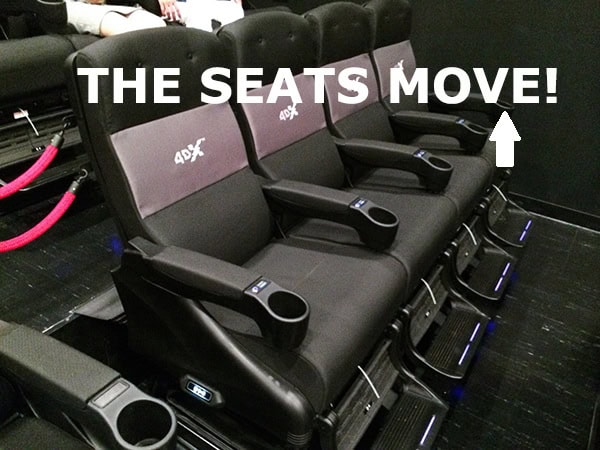
In short, IMAX 3D is about cinematic immersion, while 4DX 3D focuses on physical interaction.
Comparison Summary: IMAX 3D vs Other 3D Systems
| Feature | IMAX 3D | RealD 3D | Dolby 3D | 4DX 3D |
| Projection Type | Dual laser/projector | Single projector (polarized) | Color-separation filters | Single projector + motion system |
| Brightness | Very high | Moderate | High | Moderate |
| Color Accuracy | High | Moderate | Very high | Moderate |
| Screen Size | Very large (curved) | Standard | Standard | Standard |
| Immersion Level | Deep and natural | Basic 3D depth | Lifelike colors | Motion-based effects |
| Comfort | Light glasses | Very light glasses | Heavier glasses | May cause fatigue |
| Cost to Viewer | Higher | Lower | High | Premium |
| Best For | Realistic, large-scale movies | Everyday 3D films | Visual perfectionists | Fun and action-packed movies |
3D LED Display vs IMAX: The Next Cinema Revolution
This is where the future of cinema begins to change. While IMAX still relies on powerful laser projectors, a new generation of theaters is adopting direct-view 3D LED displays —a technology that doesn’t need any projection at all.
How 3D LED Displays Work
Traditional IMAX projectors throw light onto a reflective screen. In contrast, a 3D LED cinema uses millions of tiny self-emitting LED pixels to create images directly on the screen surface.
This technology brings major benefits:
- No projection blur or focus loss — images stay sharp from any angle.
- Higher brightness and deeper contrast — true blacks and vivid highlights.
- Modular design — screens can be built in almost any size or shape.
- Longer lifespan — typically over 100,000 hours of continuous use.
In simple terms, a 3D LED cinema screen works more like a giant television than a traditional projector setup—only brighter, sharper, and far more immersive.
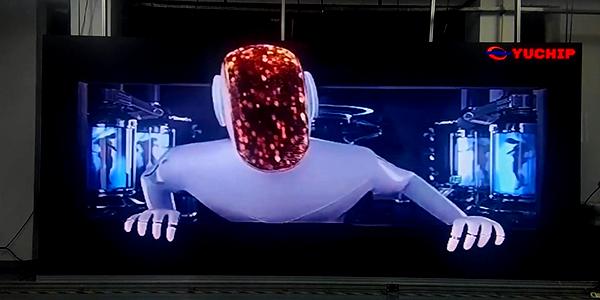
IMAX Projection vs 3D LED Display
| Feature | IMAX Laser Projection | 3D LED Display |
| Brightness | Around 22 foot-lamberts (≈75 nits) | 300–500 nits or more |
| Contrast Ratio | ~2,500:1 | Over 1,000,000:1 |
| Lifetime | About 20,000 hours | 100,000+ hours |
| Maintenance | Needs periodic calibration | Minimal |
| Flexibility | Fixed screen ratio | Modular, scalable design |
In real viewing terms, this means an LED cinema screen can appear 5–10 times brighter than IMAX, with colors that stay consistent even in a well-lit environment. The difference is especially clear in 3D movies, where LED’s high brightness helps overcome the dimming caused by 3D glasses.
Examples in the Industry
Several companies are already pioneering this shift:
- Samsung Onyx — The world’s first commercial LED cinema screen, supporting HDR and 3D playback.
- Sony Crystal LED Cinema — Known for ultra-high contrast and micro-LED precision control.
- YUCHIP 3D LED Solutions — Provide customized high-brightness LED cinema screens ideal for theaters, exhibitions, and immersive entertainment spaces.
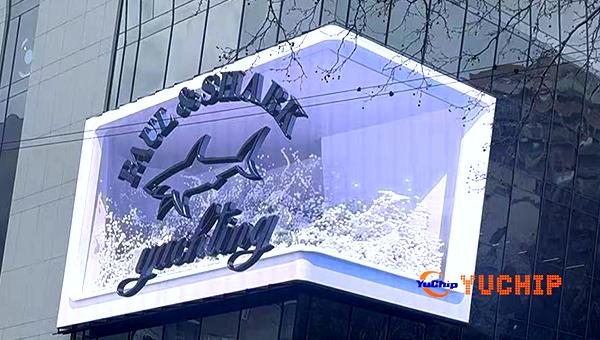
YUCHIP’s LED cinema solutions are designed to match or exceed large-format projection systems in brightness and contrast, while offering greater flexibility in screen size and installation.
The Bottom Line
3D LED displays combine the immersion of IMAX with the precision of LED technology. They remove the limits of projection, offering deeper blacks, richer colors, and brighter 3D effects—making them the true next step in the evolution of large-format cinema.
→To explore more about how LED displays are changing cinema technology, read our full guide on Cinema LED Screens.
Why Traditional 3D (and RealD 3D) Are Still Popular
Although 3D technology is no longer a major cinema trend, many theaters still keep 3D and RealD 3D systems because they offer cost-efficient upgrades. For cinemas, RealD 3D only needs special lenses and filters, not a full projection overhaul. For audiences, it still gives a sense of depth and excitement—especially in animated or sci-fi movies.
In short, RealD 3D remains popular because it’s easy to maintain, widely available, and delivers enough visual impact for casual viewers.
The Future of Cinema Display Technology
The future of cinema screens is shifting toward ultra-high brightness, HDR visuals, and modular LED display systems. IMAX continues to enhance its Laser 4K and 8K projection technologies, aiming for even deeper contrast and color accuracy. Meanwhile, LED manufacturers like YUCHIP are redefining the cinema experience with direct-view LED displays that can deliver true 3D, HDR, and even support virtual production environments.
In the near future, we may see hybrid cinema systems—combining IMAX’s immersive theater design and sound technology with the unmatched brightness and flexibility of LED screens. This blend could mark the next evolution in large-format entertainment.
Which Cinema Format Is Right for You?
Choosing between 3D vs IMAX is not just a technical question—it depends on the type of movie, your budget, how sensitive you are to motion, and whether you are a regular viewer or a cinema investor.
Below is a practical breakdown to help different types of audiences decide which format makes the most sense in real life.
3D vs IMAX: Which Is Better for Different Situations?
| Situation / Priority | Recommended format | Why it’s usually better |
| Big action, sci-fi, epic blockbusters | IMAX 3D or IMAX with Laser | Huge curved screen, higher brightness, powerful surround sound, more impact |
| Story-driven drama, comedy, dialogue-heavy | IMAX 2D or standard 2D | Large screen and clear sound without glasses fatigue |
| Family outing on a budget | Standard 3D or RealD 3D | Cheaper tickets, widely available in most multiplexes |
| Viewers who get motion sickness or headaches | IMAX 2D or standard 2D | No 3D glasses, more comfortable for long movies |
| Viewers who wear prescription glasses | IMAX 2D or brighter IMAX 3D | Brighter image makes 3D glasses easier to tolerate |
| Premium VIP halls or new flagship theaters | 3D LED cinema screen | Highest brightness, contrast, and flexibility for events beyond movies |
In simple terms, IMAX is better than standard 3D when you care about immersion and picture quality, while 3D (especially RealD 3D) is a good choice when price and availability matter more.
When to Consider 3D LED Cinema Screens Instead
For cinema owners, investors, and system integrators, the real question is not only “3D vs IMAX?” but:
Which technology will deliver the best long-term picture quality and return on investment?
In many premium projects, the answer is now direct-view 3D LED cinema screens, because they offer:
- 5–10× higher brightness than traditional projection, even compared with IMAX 3D
- Much higher contrast, with deep blacks and HDR-level highlights
- No projection booth, saving space and simplifying installation
- Longer lifetime and lower maintenance, with no lamps or filters to replace
That’s why more new flagship theaters and multi-purpose venues are testing or adopting 3D LED cinema screens instead of upgrading only to a bigger IMAX projector.
Last updated: August, 2026
Final Thoughts
At the end of the day, there’s no one-size-fits-all answer — it really depends on what kind of movie experience you’re looking for. If you want classic 3D fun or family-friendly shows, RealD 3D or Standard 3D works just fine. For epic blockbusters, nothing beats the scale and sound of IMAX 3D.
So, is IMAX better than 3D? For most blockbuster movies, yes — IMAX generally offers a bigger, brighter, and more immersive experience. But for casual viewing or budget-friendly outings, standard 3D is still a practical option.
But if you’re curious about the future of cinema, 3D LED displays are where things are heading. They deliver bright, vivid, and immersive visuals that make 3D feel more alive than ever.
If you are exploring LED cinema technology for a new project, reviewing different suppliers and technical specifications is an important next step. Check out YUCHIP’s 3D LED solutions and Contact us today to explore the future of big-screen entertainment.
FAQs
1.Is IMAX always 3D?
No. IMAX is a cinema format, not always a 3D system. Many IMAX screenings are shown in 2D, especially for dramas, documentaries, or movies where 3D is not essential. When you buy tickets, check whether the session is listed as IMAX 2D or IMAX 3D.
2.Which is better, 3D or IMAX?
For most big action or sci‑fi movies, IMAX is better than standard 3D because the screen is larger, the image is usually brighter, and the sound is more immersive. However, 3D is often cheaper and more widely available, so it remains a good choice for casual movie nights or when there is no IMAX theater nearby.
3.Is IMAX worth the extra ticket price over 3D?
For visually spectacular movies—big action, sci‑fi, nature documentaries—many people feel IMAX is worth the extra cost because of the larger screen, better projection, and stronger sound. If your priority is simply saving money or watching a light family film, standard 3D may be good enough.
4.Which is better, RealD 3D or IMAX 3D?
IMAX 3D usually delivers a brighter and sharper picture on a much larger curved screen, which makes the 3D depth feel more impressive. RealD 3D is more common and more affordable, but the image can look dimmer and less detailed compared with a well‑calibrated IMAX 3D auditorium.
5.Do you need 3D glasses to watch IMAX?
You only need 3D glasses for IMAX 3D screenings. For IMAX 2D, no 3D glasses are required—you just enjoy a very large, high‑resolution image with powerful sound. Always look at the ticket description to see whether the show is in 2D or 3D.
6.What are the disadvantages of IMAX compared with standard 3D?
The main disadvantages of IMAX vs standard 3D are higher ticket price and limited availability—not every city has an IMAX auditorium. Some viewers also find the very large screen or intense sound a bit overwhelming. Standard 3D or RealD 3D is cheaper and easier to find, but the image is usually smaller and dimmer.
7.Is 3D still popular, or are people moving to IMAX and other formats?
Traditional 3D is less dominant than it used to be, but it is still widely used for animated films and blockbusters, especially in markets where IMAX screens are rare. At the same time, many premium theaters are investing in IMAX, Dolby Cinema, 4DX and new technologies like 3D LED cinema screens to offer a more immersive experience than standard 3D.
8.Is LED replacing IMAX projection in cinemas?
Not overnight, but direct‑view LED is starting to replace high‑end projection in some flagship cinemas. IMAX still relies on advanced laser projectors, while 3D LED cinema screens use millions of self‑emitting LEDs. LED can reach much higher brightness and contrast than projection, so over time more premium theaters are expected to adopt LED‑based screens.
9.For cinema owners, is IMAX or 3D LED more cost‑effective in the long run?
For cinema owners and investors, 3D LED cinema screens can be more cost‑effective in the long term, even though the initial purchase price is higher than an IMAX projector. LED offers higher brightness, longer lifetime, no lamps or filters to replace, and can be used for concerts, esports, conferences and other events. This extra flexibility can generate more revenue than a traditional IMAX‑only auditorium.
Related Articles You May Like:
Largest LED Screens in the World (2025): Top 25 Biggest Displays
Giant Screen vs IMAX: Detailed Comparison
About Cinema LED Screen: All You Need To Know