
Introduction
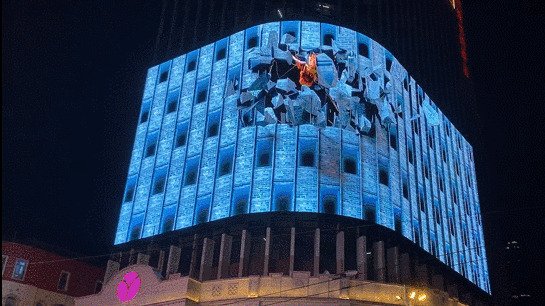
LED displays and screens have undergone a remarkable evolution. It has diversified into various types and functions that significantly impact our daily lives. Initially, the industry primarily offered indoor and outdoor options, but it has since expanded and offered more innovative solutions.
One of the most striking innovations in this field is the 3D LED display, a product of technological progress. It offers an immersive viewing experience, making content more engaging and fun. Today, it is dubbed as one of the most effective devices for advertising. Globally, it is becoming more and more evident, influential, and popular.
Investing in 3D LED displays is a significant milestone for your business. It will require a substantial initial financial outlay and a sufficient budget for ongoing maintenance expenses. So, if you’re considering acquiring a 3D LED display for your business, it’s essential to understand its features and capabilities thoroughly.
This article aims to provide you with comprehensive insights to inform your decision before making a purchase. Also, we will provide you with information to help you maximize the full potential of your 3D LED screen and make the most of your investment.
What Is A 3D LED Display?
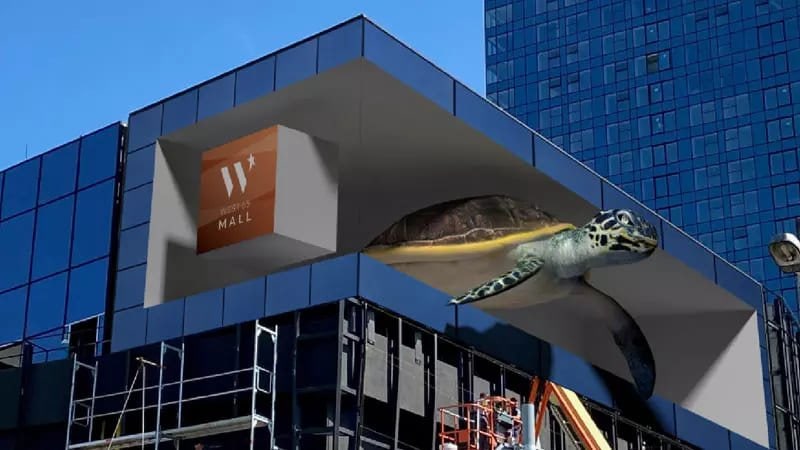
A 3D LED display is a type of display technology that can showcase images and content in three dimensions, creating the illusion of depth and spatial perception.
This digital display technology creates an illusion of depth perception by applying the principle of stereopsis, offering each eye a distinct image. This optical illusion immerses viewers, making the content appear more lifelike through enhanced visual sensory experiences.
For businesses, offices, and other establishments, incorporating a 3D LED Display signifies a strategic move to differentiate themselves in the market and attract a wider audience and customer base. These displays play a critical role in achieving business objectives in various industries due to their innovative and captivating nature.
Moreover, employing a 3D LED Display for outdoor advertising and brand promotion offers significant advantages. Unlike traditional flat LED screens or 2D displays commonly seen worldwide, 3D LED Displays are more creative, impactful, and attention-grabbing. This innovation represents a valuable investment opportunity we highly recommend for enhancing brand visibility and engagement.
Types Of 3D LED Screens
There are several 3D LED screens, each with unique features and applications.
Glasses-Free 3D LED Screens
Glasses-free 3D LED screens, also known as autostereoscopic 3D LED screens, use advanced technology to show 3D images without special glasses. They create the illusion of depth and objects appearing to come out of the screen.
Unlike traditional 3D displays that require glasses, these screens provide a 3D experience directly to the viewer’s eyes, making it easier and more natural to enjoy 3D content. They are commonly used in digital signs, entertainment, and advertising to create engaging 3D visuals.
Active Shutter 3D LED Screens
Active Shutter 3D LED screens use dynamic shutter technology to make content appear in 3D. They quickly switch between showing images for the left and right eye while viewers wear special glasses. This creates a 3D effect with objects seeming to come out of the screen.
Passive 3D LED Screens
Passive 3D LED screens use polarized filters and glasses to show 3D content. The screen displays two sets of images, one for the left eye and one for the right eye, with different polarizations. Viewers wear simple polarized glasses, allowing each eye to see only one set of images. This creates a 3D effect by simulating the difference between the two images seen by each eye.
Holographic 3D LED Screens
Holographic 3D LED screens use LEDs and holography to show 3D images or holograms that seem to float in the air. They do this without needing 3D glasses. These screens use lasers or LEDs to light up a unique holographic material, which bends light to make the images look 3D.
Curved 3D LED Screens
Curved 3D LED screens are display panels that combine the features of both curved screens and 3D technology. These screens have a curved shape, which enhances the viewer’s immersion by creating a wider field of view and reducing distortion at the screen’s edges. Additionally, they incorporate 3D technology to display three-dimensional images or content.
How Does A 3D LED Screen Differ From Other LED Display Solutions?
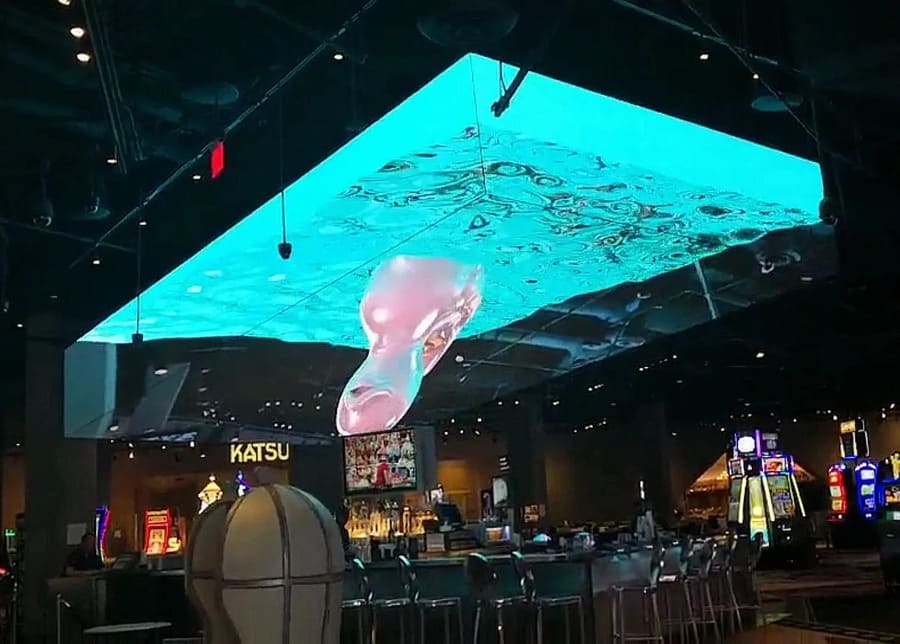
3D LED displays distinguish themselves significantly from conventional outdoor screens found in cities. Their technical attributes, specialty, and software set them apart from their familiar 2D LED counterparts.
The key differentiator lies in the dimensionality of the display. While 2D LED screens are designed with flat surfaces and emit light in two dimensions, 3D LED displays utilize microwave LEDs, resulting in light emission in three dimensions. This fundamental difference leads to distinct visual effects.
Even if you were to play a video with a 3D effect on a traditional 2D screen, the outcome would remain two-dimensional. This limitation stems from the inability of 2D screens to replicate the immersive impact of a 3D environment.
A 3D LED screen effectively creates a sense of depth because it emits light in three dimensions. This feature quickly produces a realistic depth illusion, especially with 3D animation effects. Watching content on a 3D LED screen makes it feel like you are inside the image or video, significantly enhancing your viewing experience.
What Are The Technical Features Of A 3D LED Display?
The 3D LED Display has a wide variety of pixel pitch ranges. It includes P2.5, P3.33, P4, P4.16, P5, P5.9, P6.25, P8, P10. Here are the technical features of a 3D LED display you must know.
Pixel Pitch Options
3D LED displays can come in a vast range of options for pixel pitch. The pixel pitch determines the overall resolution and clarity of visuals a 3D LED can provide. Given that 3D screens are particularly suited for outdoor use, options for pixel pitches typically start from P2.5 and above.
Rigid And Firm Cabinets
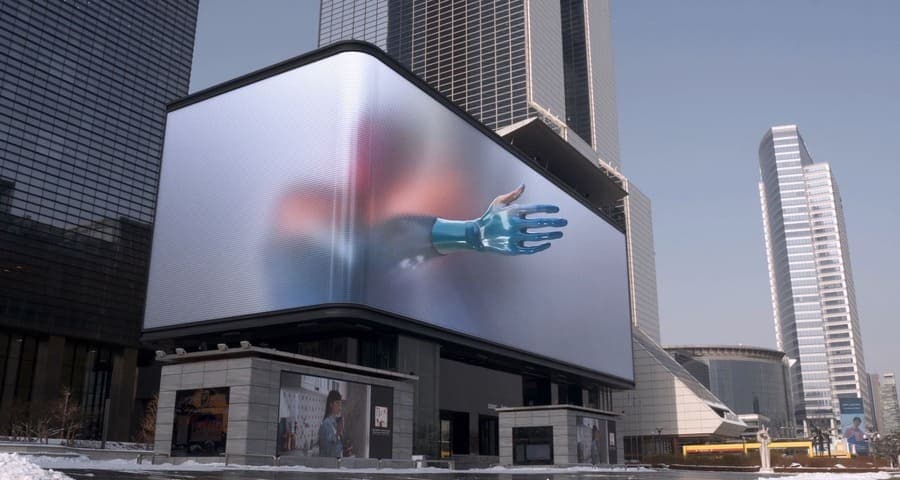
3D LED displays use sturdy components for their cabinets, which can be made of steel or die-casting aluminum. These materials are durable and of high quality. You can also recommend using a different material from your LED screen provider or us if it meets the device’s physical requirements.
Brightness
It would be best to have the correct brightness level for optimal 3D effects on a 3D LED Display. If the brightness is too high or too low, the visuals can become too bright or dim, making them hard to view. It’s essential to have a display with simple brightness adjustment controls, allowing you or your operators to modify it according to the surroundings. Ideally, an excellent 3D LED Display should offer a brightness of up to 1500 cd/m² for precise and stable images.
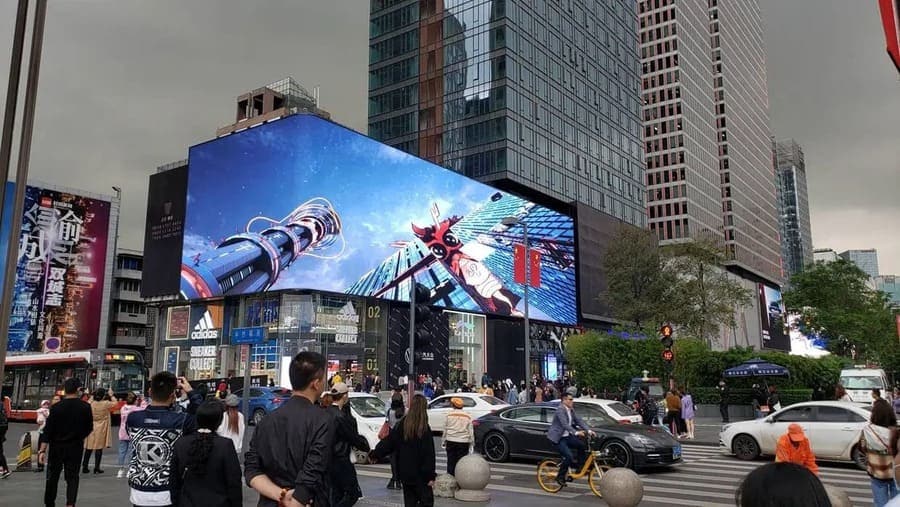
3D Illusion Effects
The optical illusion of 3D LED displays is most effective when combined with 3D animations. You can create these animations using smartphone, laptop, or tablet apps and software.
The 3D illusion in these displays results from stereopsis, the perception of depth created by objects with slight horizontal differences. In 3D LED screens, this illusion occurs because our eyes perceive two slightly different images on the screen as a single aligned image, creating a sense of depth.
Great Viewing Angle
3D LED displays, in general, have wide viewing angles. It ranges from 160 degrees and higher. This number signifies clear visuals on all sides; even if viewers are distant, they are ensured to experience seeing the content powerfully.
What Are The Advantages And Applications Of A 3D LED Display?
3D LED screens are the top creative display choice in the market. It is because of its ability to create immersive experiences for the audience. It makes an image or an object look like it is floating, making it more engaging and fun for the audience’s eyes.
Here’s how and why you should use a 3D LED display.
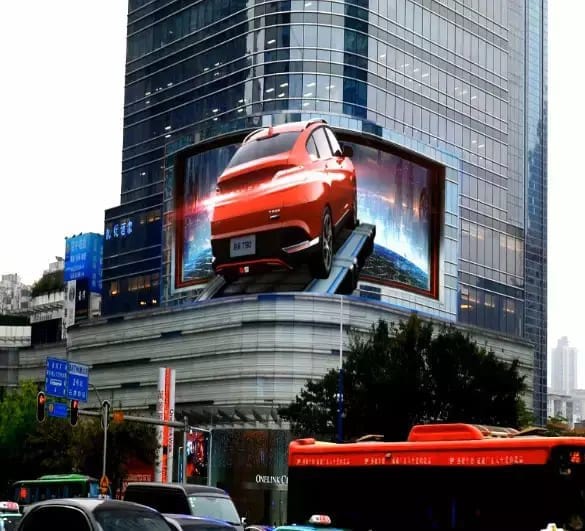
Advertising
Advertising plays a crucial role in effectively communicating and sharing the benefits of your brand. We know how essential it is for businesses to reach their sales targets within a specific timeframe.
Using 3D LED displays for brand promotion helps make advertising more accessible, dynamic, and impactful. These screens are highly engaging and can easily capture the attention of passers-by with their visual appeal. The impressive looks and special effects of 3D LED displays make your advertisements and content memorable, increasing your audience’s trust.
Hospitality Areas
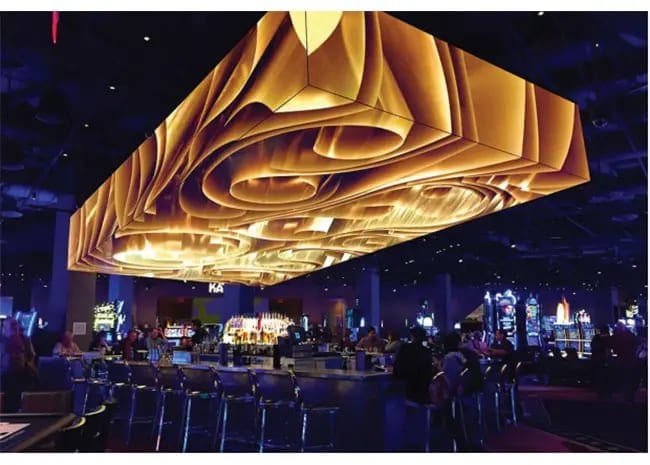
Hotels, lounges, restaurants, casinos, and clubs increasingly use 3D LED screens. You can use these screens to showcase promotions, display information like guides and menus, and provide valuable content to guests. Additionally, 3D LED screens are also suitable for indoor use. They are smaller and have various installation options to fit different settings.
Offices And Establishments
3D LED screens are used for decoration purposes as well. You can install them on buildings, windows, and walls, illuminating the surroundings and creating a welcoming and visually appealing atmosphere perfect for taking photos.
Outdoor Cinemas
3D LED screens are also suitable for cinemas. They are designed to deliver outstanding visual effects and engage our senses to provide a contemporary and immersive viewing experience.
3D LED Display Parameter And Specifications
Below is a table showing the specifications and parameters of the 3D LED Display. It can come in various pixel pitches, as shown below.
3D LED Screen Display Specification | ||||||||||||||
| Pixel Pitch (mm) | 2.5 | 3.33 | 4 | 4.16 | 5 | 5.9 | 6.25 | 8 | 10 | |||||
| Pixel Configuration | SMD1515 | SMD1921 | SMD2727 | 1R1G1B | SMD3528 | 1R1G1B | ||||||||
| Encapsulation | 3 in 1 | DIP246 | 3 in 1 | 3 in 1 | DIP246 | |||||||||
| Color Matches | 6:3:1 | |||||||||||||
3D LED Cabinet Specification | ||||||||||||||
| Cabinet Size (mm) | 640 x 480 | 960 x 960 | 500 x 500 | 960 x 960 | ||||||||||
| Cabinet Resolution (pixels) | 256 x 192 | 320 x 320 | 192 x 192 | 144 x 144 | 80 x 80 | 120 x 120 | 96 x 96 | |||||||
| Cabinet Pixels (pixels) | 49152 | 102400 | 36864 | 20736 | 6400 | 14400 | 9216 | |||||||
| Cabinet Material | Die Casting Aluminum | Die-casting aluminium/ Steel | Die-casting aluminium/ Steel/ Aluminum | Aluminum | Die-casting aluminium/ Steel/ Aluminum | |||||||||
| Cabinet Weight (kg) | 9.5 | 35/45 | 32/35/45 | 7.5 | 25 | 8 | 50 | |||||||
3D LED Screen Specification | ||||||||||||||
| Pixel Density(pixel/m²) | 160000 | 111111 | 40000 | 22477 | 25600 | 15625 | 10000 | |||||||
| Brightness(cd/m²) | 600 – 800 Optional | 6500 | 7500 | 8000 | 1500 | 8000 | ||||||||
| Brightness Adjusted | 256 grade by software or by Auto-optic-induced | 100 rise by software or by Auto-optic induced | 256 rate by software or by Auto-optic induced | 100 steps by software or by Auto-optic-induced | ||||||||||
| View Angle | Horizontal 140°; Vertical 140° | |||||||||||||
| Best Viewing Distance (m) | 2.5m | 3m | 4m | 5m | 6m | |||||||||
| Communication Distance(m) | <100meter by Internet Cable(without Relay; Multimode fiber cable < 500m; Single-mode fiber cable < 20km | |||||||||||||
| Display Work Method | 1/32 Scan | 1/16 | 1/8 | 1/6 | 1/8 | 1/4 | ||||||||
| LED Driving Method | Constant driving current | |||||||||||||
| Color Contrast Ratio | 5000:1 | 1800:1 | ||||||||||||
| Gray Grade | 16bit | |||||||||||||
| Display Color | 439, 804, 651, 110 | |||||||||||||
| Refresh Frequency (Hz) | ≥1920, ≥3840 Optional | 2800 | 1000 | 600 | ||||||||||
| Picture Display Method | Intellective control technology, test-itself technology, correct technology, Synchronization Control | |||||||||||||
| Input Signal | DVI (S-VIDEO, CVBS, DP, HDMI, VGA, PAL/NTSC, etc. through Video processor converting) | |||||||||||||
| System Operating | WINDOWS 98, WINDOWS 2000, WINDOWS XP, WINDOWS 7, etc. | |||||||||||||
| Control System | ||||||||||||||
| Front/Rear IP Level | IP65 | |||||||||||||
| Working Temperature (ºc) | -20~+70 | |||||||||||||
| Stored Temperature (ºc) | -40~+80 | |||||||||||||
| Operation Humidity (RH) | 0-95% | |||||||||||||
| Display Lifetime (hours) | Ten years or more (natural environment) 100000 hours (ideal environment) | |||||||||||||
| Maintenance | Rear / Front Side | |||||||||||||
| Working Voltage | AC110 / AC220V±10% 47~63HZ | |||||||||||||
| Power Consumption | Max: 700W/㎡ ; Ave:250W/㎡ | |||||||||||||
| Out Of Controlled Dot | ≤3/10,000 (Out of controlled dots means the pixels of which the brightness and the wavelength are both >10% depart from the normal one) | |||||||||||||
How To Maintain A 3D LED Display?
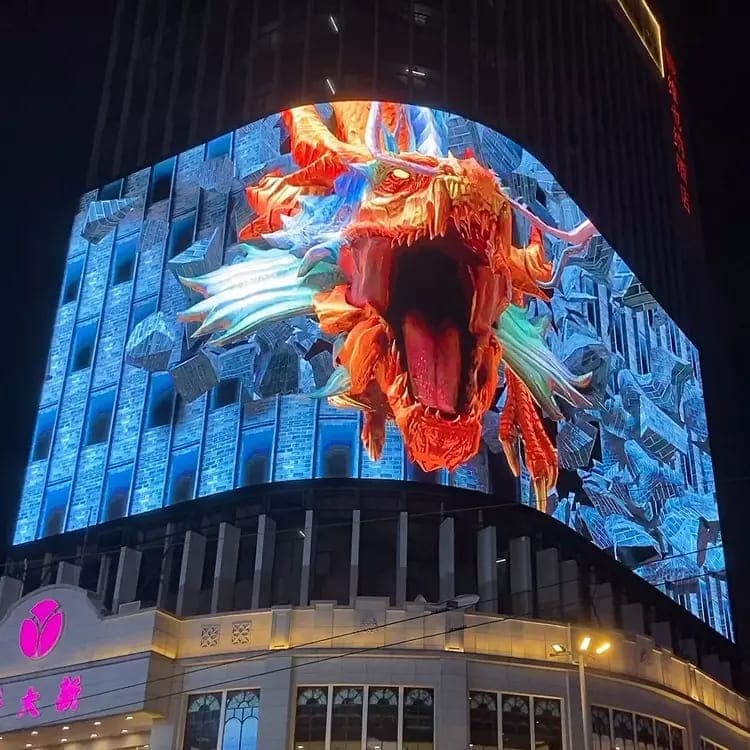
Maintenance is crucial for 3D LED displays and all types of LED screens. Proper maintenance can either extend or diminish the lifespan of a device, regardless of whether it’s used indoors or outdoors.
For 3D LED displays, outdoor conditions like rain, excessive sunlight, and dust can impact the display’s physical and visual aspects. This underscores the importance of following appropriate maintenance practices to ensure the continued high and steady performance of your 3D LED display.
LED display maintenance is categorized into two methods: rear and front care. Both approaches share common characteristics, including being easy to carry out and cost-effective. If you’re wondering which method suits your device, it primarily depends on the installation method.
The installation method will dictate whether the rear side is accessible, as the front side is typically open. However, specific LED screen panels may necessitate back care due to factors such as their design and panel weight, making them the more practical choice in those cases.
If you need a more comprehensive maintenance guide, read our blog, What You Need to Know About LED Screen Maintenance.
3D LED Display Lifespan And Longevity Of Service
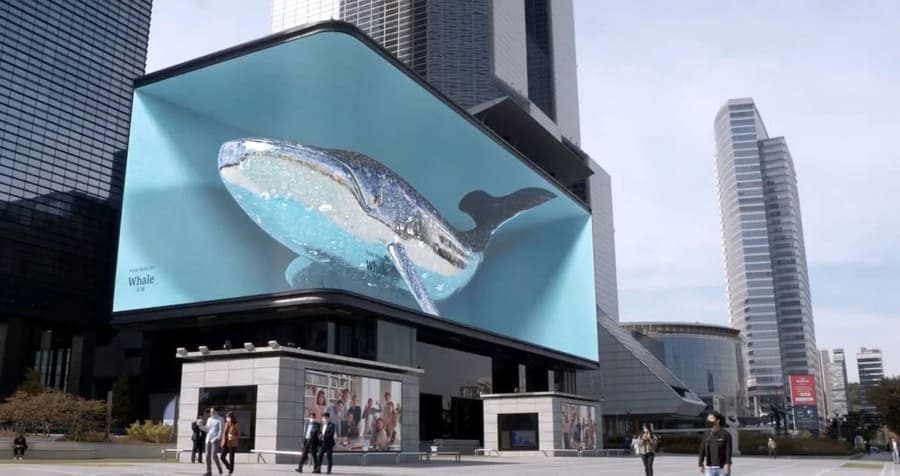
A 3D LED Display can outlast typical outdoor LED screens, potentially serving you up to 10 years with proper care and handling.
Several factors contribute to an LED device’s overall lifespan:
- Maintenance. To extend the screen’s life, it’s essential to maintain both the front and back regularly. You should follow specific maintenance steps.
- Proper Handling. Transporting the equipment safely from the factory to your location and between different sites is crucial to prevent damage.
- Installation. Installing large LED modules or screens is difficult because they are heavy. You should hire a skilled team to ensure the installation is secure and stable.
- Usage Frequency. LED screens need regular breaks and cooling down. Turning off the parts inside the panel occasionally helps keep them working longer.
Additionally, the availability of warranty services can further extend the life of your LED screen, including an LED 3D screen. Regularly following these practices and ensuring professional installation and maintenance can significantly enhance the screen’s durability and service span.
Choosing The Right 3D LED Screen For Your Project
Selecting the suitable 3D Outdoor Advertising LED Display Screen for your project is the first step to achieving the desired visual impact and displaying the content effectively. Here are vital considerations to help you make an informed decision.
Type Of 3D Technology
Choose the type of 3D technology that suits your needs and budget, like active shutter, passive polarized, glasses-free (autostereoscopic), or holographic. Each type has its pros and cons. Make sure to pick one that matches your project’s objectives.
Active shutter technology uses electronic glasses that rapidly block each eye sequentially, creating a 3D effect. It’s known for high-quality images but can be expensive. Passive polarized glasses are more straightforward, cheaper, and suitable for large audiences, but the image quality might be lower. Glasses-free technology allows 3D viewing without glasses, offering convenience but often at a higher cost and with limited viewing angles. Holographic technology creates lifelike images that appear to float in space, providing a unique experience but typically at a higher price and complexity.
Application And Use Case
Decide what you will use the 3D LED screen for, like gaming, entertainment, digital signage, education, or medical imaging. Each use might need a different kind of 3D display.
Screens with fast refresh rates and high-resolution 3D effects are ideal for gaming and entertainment. Digital signage requires bright and visible screens from various angles, often with large sizes. In education, interactive and user-friendly screens can enhance learning experiences. Medical imaging screens need high precision and clarity for accurate diagnostics. Each application demands specific features to ensure the 3D LED screen meets its intended purpose effectively.
Screen Size And Resolution
Consider the size of the screen and its resolution. Ensure it fits the intended space and provides the desired level of detail and clarity for your content.
Viewing Environment
Assess the lighting conditions in the environment where the screen will be placed. Some 3D technologies may perform better in well-lit areas, while others are more suited for controlled lighting conditions.
Viewing Distance And Angles
Determine the typical viewing distance and angles of your audience. Some 3D screens may have specific optimal viewing angles, so ensure they align with your intended audience’s position.
Content Compatibility
Check whether your content is compatible with the chosen 3D technology. Some content may require specific formatting or conversion to be displayed correctly in an LED Screen 3D Model.
Budget Constraints
Consider your budget for the project, including the cost of the 3D LED screen and any additional equipment, installation, and maintenance expenses.
Maintenance And Durability
Evaluate the screen’s durability and maintenance requirements. Will it be used in a high-traffic area requiring frequent cleaning or servicing?
Warranty And Support
Inquire about the warranty and support services provided with the screen. An extended warranty period can give peace of mind.
User Experience
If possible, conduct user testing or seek feedback from potential viewers to ensure that the chosen 3D screen meets their expectations and provides an enjoyable viewing experience.
Where Can I Find A Reliable 3D LED Display Supplier?
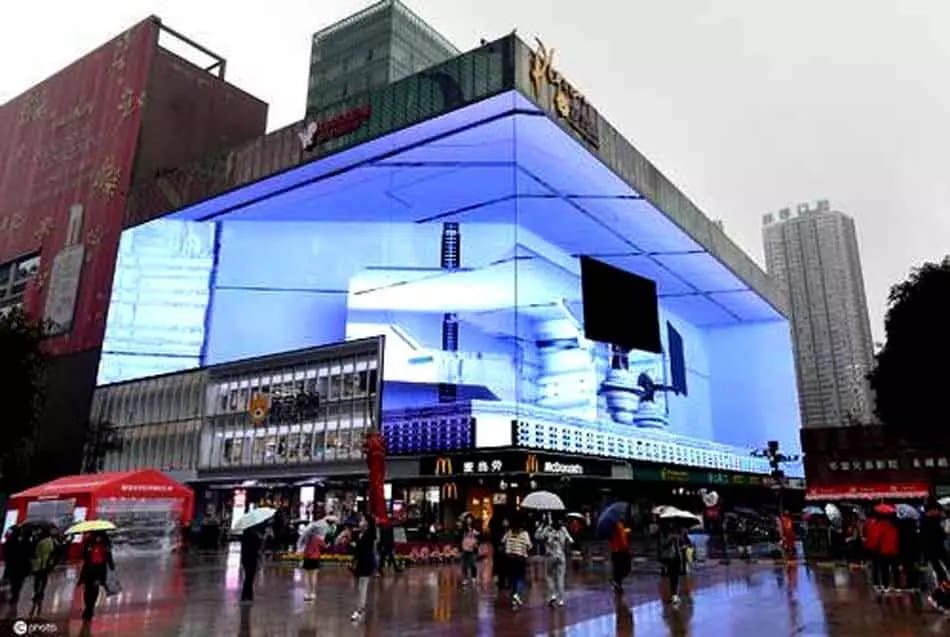
When finding a reliable 3D LED Screen Outdoor supplier, you need a trustworthy partner to provide top-quality products and exceptional service. Look no further than YUCHIP – your dependable, experienced 3D LED Display provider.
YUCHIP specializes in 3D LED Displays, making them experts in the field and ensuring you receive products designed for optimal performance and visual impact. Our commitment to customization and tailoring our displays to your specific project requirements sets us apart. This level of flexibility guarantees you the perfect solution for your unique needs. Your 3D display project is in capable hands with our spacious LED 3D Screen factory.
Quality assurance is at the forefront of YUCHIP’s approach. We use high-grade components and rigorous quality control processes to deliver displays that meet the highest standards, ensuring longevity and reliability. Despite our dedication to quality, YUCHIP offers competitive pricing, providing excellent value without compromising performance.
With a global presence and a track record of serving clients worldwide, YUCHIP has garnered positive feedback for its products and services. We proudly offer one of the most extended warranty periods in the industry, providing peace of mind in the durability of our products. Also, our customer-centric approach means your satisfaction is our top priority, making us the ideal partner for your 3D LED Display needs.
To simplify your search and alleviate concerns, consider reaching out to YUCHIP. With our expertise, commitment to quality, and dedication to customer satisfaction, we are the perfect choice for your 3D LED Display project. Contact YUCHIP today and experience the difference of working with a trusted industry leader.
Conclusion
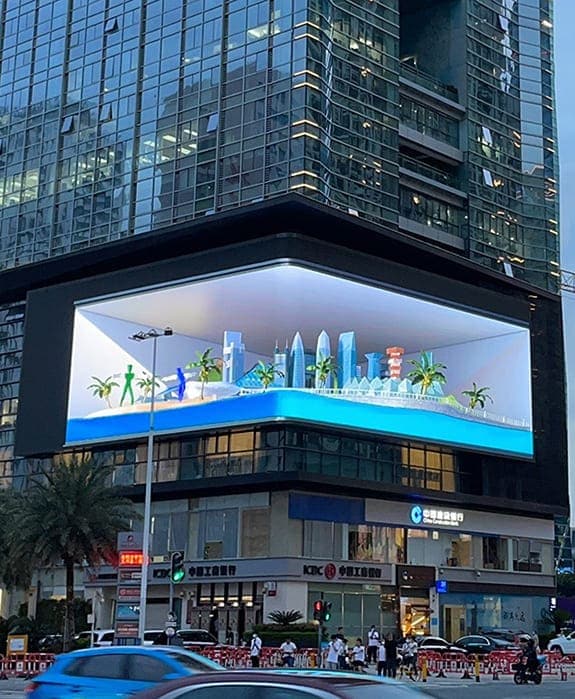
3D LED screens have transformed visual displays in various industries, providing immersive experiences. Whether you work in entertainment, advertising, education, or other fields needing dynamic visuals, understanding the 3D Effect LED screen is crucial.
Choosing the right one depends on your specific needs. Considering factors like screen size, resolution, environment, and maintenance would be best. Also, you have various options, like active shutter, passive polarized tech, glasses-free, and holographic displays, each with unique strengths.
In the ever-evolving visual tech world, 3D LED screens push boundaries, offering creative and engaging experiences. Stay informed, make wise choices, and harness the potential of 3D LED screens for elevated visual experiences.
When seeking a reliable supplier, YUCHIP stands out due to its specialization, customization, quality commitment, competitive pricing, and global presence. For more information and questions, please message us at manager@yuchip.com.