
Introduction
When choosing a display, you’ll often see terms like IPS and LCD. Many buyers wonder, “Is IPS different from LCD, or is it just another marketing term?” The confusion makes sense because IPS is actually a type of LCD panel. Still, people search “IPS vs LCD” to figure out which one is better, which lasts longer, and which is more suitable for gaming, design, or entertainment.
This guide will break everything down in simple terms. We’ll explain what LCD technology is, what IPS brings to the table, their key differences, pros and cons, and practical advice to help you decide which one is right for you.
What is LCD?
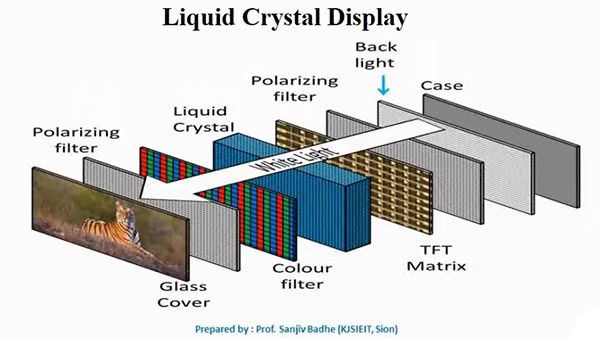
LCD stands for Liquid Crystal Display, a technology widely used in TVs, monitors, laptops, and smartphones. It works by controlling liquid crystals to filter light from a backlight, creating images on the screen. LCDs come in three main panel types: TN (Twisted Nematic), VA (Vertical Alignment), and IPS (In-Plane Switching). Each type has its strengths, from TN’s speed to VA’s contrast. When people compare “IPS vs LCD,” they usually mean IPS versus TN or VA panels.
What is IPS?
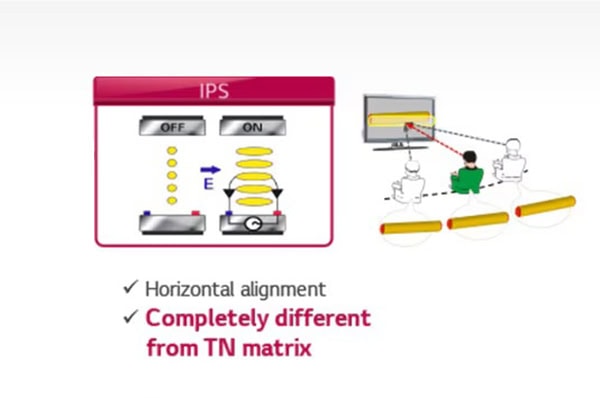
IPS, or In-Plane Switching, is one of the most advanced types of LCD technology. It was designed to solve the common problems of earlier panels, especially poor viewing angles and weak color accuracy. By aligning liquid crystals parallel to the screen, IPS produces more stable images, accurate colors, and consistent brightness from almost any angle. Because of these strengths, IPS panels are popular in professional monitors, smartphones, and premium TVs, even though they often cost more than other LCD types.
IPS vs LCD: Key Differences
Although IPS is technically an LCD panel type, comparing IPS to “standard LCD” (TN or VA) helps you understand their trade-offs.
Color Accuracy
IPS panels deliver richer and more accurate colors. Designers, photographers, and content creators rely on this. TN panels, on the other hand, can look washed out, while VA panels are better but still less consistent.
Viewing Angles
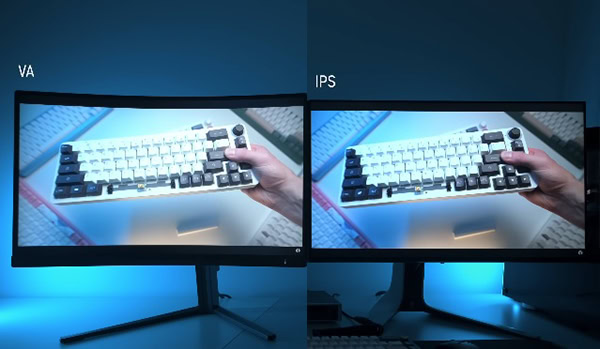
IPS is famous for its wide 178° viewing angle. Colors remain stable even when you view from the side. Standard LCDs (especially TN) quickly lose brightness and distort colors when tilted.
Response Time & Gaming
TN panels are the fastest, often with 1ms response time, making them ideal for competitive gaming. IPS used to lag behind, but modern IPS monitors now reach 1–5ms, which is more than enough for most gamers. VA panels fall in between.
Contrast & Black Levels
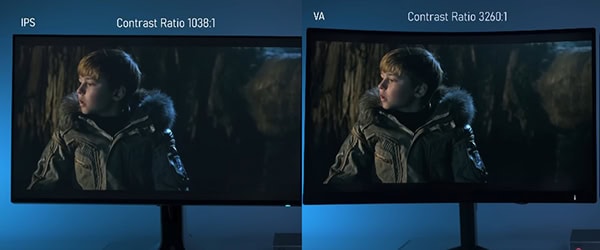
VA panels beat IPS here, producing deeper blacks and higher contrast—great for movies in dark rooms. IPS has decent contrast but not as deep. TN is the weakest.
Price
TN and VA panels are generally more affordable. IPS panels cost more because of their advanced technology and production process.
Applications
TN works best for budget gaming; VA for movies and mixed use; IPS for professional design, editing, and high-end monitors.
LCD vs IPS Side-by-side Comparison Table
Let’s put the two side by side. Remember, IPS is a type of LCD, but here we’ll compare IPS against “standard LCD panels” (TN and VA) to make things clearer.
| Feature | Standard LCD (TN/VA) | IPS LCD |
| Viewing angles | Narrow; colors shift at angles | Wide; colors stay consistent |
| Color accuracy | Lower, especially TN | Excellent, highly accurate |
| Response time | Fastest (TN), decent (VA) | Slightly slower |
| Contrast ratio | Higher in VA panels | Moderate |
| Price | Usually cheaper | More expensive |
| Applications | Budget monitors, gaming (TN), home entertainment (VA) | Professional work, premium monitors, mobile devices |
IPS vs LCD: Pros and Cons
The simplest way to look at this comparison is to weigh the strengths of each.
Why IPS stands out:
- Excellent color accuracyfor editing photos, videos, or artwork.
- Wide viewing angles, making it perfect for collaboration, family use, or watching from the couch.
- More consistent brightness and color uniformity, which adds to overall image quality.
Why standard LCD (TN/VA) still matters:
- Lower cost, making it accessible for budget buyers.
- Faster response timesin TN panels, ideal for competitive gaming where every millisecond counts.
- Better contrast and deeper blacksin VA panels, offering a more cinematic movie experience in dark rooms.
Bottom line: IPS is about quality and consistency. Standard LCD (TN/VA) is about price and performance trade-offs.
Which One Should You Choose?
So, which is better—IPS or LCD? The answer depends on your needs and budget.
- Casual users: If you only browse the web, stream videos, or use office apps, a standard LCD (TN or VA) monitor will do the job at a lower cost.
- Gamers:TN is best if you want the fastest response timesfor competitive gaming. IPS is better if you want a balance of gaming and beautiful visuals. Many modern IPS panels now offer 144Hz or higher refresh rates, closing the gap with TN.
- Professionals: For tasks like graphic design, photography, or video editing, IPS is the clear winner. The accurate colors and stable images are worth the investment.
- Home entertainment: If you watch movies in a dark room, a VA panelmay give you deeper blacks. But for family viewing in a living room, IPS ensures consistent picture quality from every angle.
IPS vs LCD in LED Displays
Here’s where things get a bit tricky: many displays today are marketed as “LED” or “LED LCD.” Don’t get confused—this doesn’t mean they are different technologies.
- LED display (in consumer terms)usually means an LCD panel with LED backlighting.
- So an “IPS LED monitor”is simply an IPS LCD panel that uses LED backlights.
- TN and VA panels can also use LED backlights.
In short: IPS and LCD aren’t opposites. IPS is just one of the LCD types, and LED is the backlight source.
Buyer’s Guide: What to Look for Beyond IPS vs LCD
When buying a display, don’t stop at just choosing IPS or LCD. Other specs also matter:
- Resolution: Full HD is standard, but 4K IPS monitors are common for high-end work.
- Refresh rate: For gaming, look for 120Hz, 144Hz, or even 240Hz. IPS panels are catching up here.
- Response time: TN panels still lead, but many IPS displays now advertise 1ms response.
- Panel type: If color accuracy matters, go IPS. For budget or specific gaming needs, TN or VA might be better.
- Use case: Always align your choice with what you’ll actually use the screen for.
Conclusion
IPS and LCD are closely related display technologies, but they serve different purposes. LCD is the broader category, while IPS represents one of its most advanced panel types, offering better color, wider viewing angles, and more stable image quality. For everyday buyers, this means IPS is often the smarter choice if you want premium performance.
At the same time, IPS vs. LCD is only one part of the bigger picture. Depending on your needs, you may also want to compare IPS with LED or OLED to see which technology fits best.
If you’re planning to invest in large-format displays, digital signage, or professional LED screens, YUCHIP can help you choose the right technology. Our team specializes in creating customized LED solutions that deliver the best balance of performance, durability, and cost. Contact us today to discuss your project, and we’ll guide you toward the ideal display option for your business.
FAQs
1.Is IPS better than LCD?
Yes, IPS is better in terms of color accuracy and viewing angles. However, TN and VA (standard LCDs) may be cheaper and faster in response time.
2.Is IPS LCD good for gaming?
Yes, modern IPS monitors offer high refresh rates and low response times. They are excellent for gaming unless you need the absolute fastest TN performance for eSports.
3.Which lasts longer, IPS or LCD?
Both have similar lifespans since they’re based on LCD technology. The durability depends more on the backlight and build quality than the panel type.
4.Is LED better than IPS?
Not exactly. LED refers to the backlight type, while IPS is a panel technology. Many IPS panels use LED backlighting, so the two work together. (See our article on IPS vs LED for details.)
5.What’s the difference between IPS, VA, and TN?
- TN: Fast and cheap, but weak colors.
- VA: Great contrast, slower response.
- IPS: Best colors and viewing angles, pricier.
Related Articles You May Like:
Mini LED vs IPS: Which Display Technology Is Better for You?
IPS vs OLED: Which Display Technology Should You Choose?
IPS vs LED: Key Differences, Advantages & Future Trends