
Introduction
Choosing between IPS and VA panels can be confusing — especially when both look similar on paper but perform very differently in real use.
The truth is: picking the wrong panel can lead to washed-out blacks, poor viewing angles, or motion blur in games.
Quick answer: IPS is better for color accuracy, viewing angles, and fast gaming. VA is better for deeper blacks, higher contrast, and movie watching.
In this guide, we’ll break down IPS vs VA with real-world comparisons, so you can quickly choose the right panel for your needs in 2026.
What Is IPS Panel?
IPS (In-Plane Switching) is a type of LCD technology designed to improve on the limitations of older TN panels. It arranges liquid crystal molecules horizontally, which allows light to pass through more evenly.
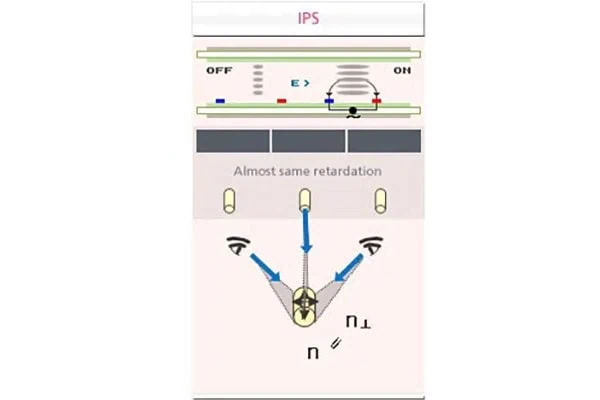
Key strengths of IPS panels:
- Accurate colors– IPS screens deliver consistent, true-to-life colors, making them ideal for photo editing, design, and office use.
- Wide viewing angles– Colors and brightness stay stable even when viewed from the side.
- Reliable performance– IPS panels typically offer stable quality across different models and brands.
Because of these advantages, IPS panels are popular in professional monitors, high-end laptops, and business displays where accuracy matters more than cost.
What Is VA Panel?
VA (Vertical Alignment) panels work differently. The liquid crystal molecules align vertically when idle and tilt when activated, allowing more control over how light passes through.

Key strengths of VA panels:
- High contrast ratio– Blacks appear deeper and darker, providing better overall picture depth.
- Good balance of performance and price– VA panels often cost less than IPS, especially at larger sizes.
- Better suited for entertainment– Their strong contrast makes movies and games more immersive.
This is why VA panels are commonly found in mid-range TVs, curved monitors, and gaming displays where rich contrast is more important than perfect color accuracy.
IPS vs VA: Side-by-Side Comparison
IPS vs VA: Quick Answer
- Choose IPS: Better colors, wider viewing angles, faster response (best for work & competitive gaming)
- Choose VA: Better contrast, deeper blacks (best for movies & immersive gaming)
Before diving into details, here’s a quick comparison to help you understand how IPS and VA panels differ at a glance:
| Feature | IPS Panel | VA Panel |
| Color Accuracy | Excellent color reproduction, ideal for design, office, and professional use. | Good, but not as precise; some models oversaturate colors to look “richer.” |
| Contrast Ratio | Around 1000:1 typical; blacks may look grayish in dark rooms. | 3000:1 or higher; deeper blacks and better shadow detail. |
| Viewing Angles | Very wide (up to 178°), little change in color/brightness at angles. | Narrower; noticeable color shift and brightness drop from the side. |
| Brightness | Usually consistent across the screen, handles glare better. | Brightness varies; some VA panels struggle under strong ambient light. |
| Response Time | Faster transitions (as low as 1ms in Fast IPS models). | Slower pixel response; prone to smearing or ghosting in fast-moving scenes. |
| Refresh Rates | Supports very high refresh (144Hz–360Hz) in modern gaming monitors. | Commonly up to 165Hz, though some high-end VA reach 240Hz. |
| Price Range | More expensive, especially at larger sizes. | More affordable, making them popular for budget-friendly TVs and monitors. |
| Best For | Professional work, office tasks, esports, and competitive gaming. | Entertainment, movies, casual gaming, and value-driven users. |
Color Accuracy
IPS panels are the undisputed leader in color fidelity. If you’re editing photos, videos, or working on designs where every shade matters, IPS will give you more reliable results. VA panels are decent for everyday use, but their colors can sometimes look too saturated or lose accuracy at angles. In real-world use, this means IPS is more reliable if color consistency matters across different lighting conditions or viewing positions.

Contrast and Black Levels
VA panels shine here. A typical VA contrast ratio of 3000:1 means dark scenes in movies and games look richer and more immersive. IPS panels, by comparison, hover around 1000:1, so blacks may look slightly washed out in dim rooms. This is especially noticeable when watching movies or gaming in dark environments.
VA vs IPS: Viewing Angles Comparison
IPS wins this category with ease. Whether you’re sitting off to the side or sharing your screen in a meeting, colors stay stable. VA screens can appear noticeably darker or distorted when viewed from an angle, which may be a dealbreaker for group settings.

Brightness and Glare Handling
Both panel types can achieve good brightness levels, but IPS usually performs more consistently under bright office lights or daylight. Some VA panels have excellent brightness, but budget VA models may struggle in high-glare environments.
Response Time and Gaming Speed
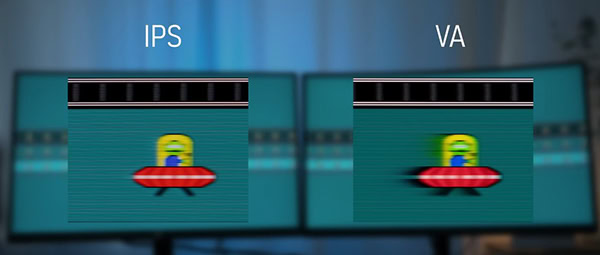
This is where IPS has made huge progress. With Fast IPS technology, response times are on par with TN panels, making them a favorite for esports players. VA panels, while improving, often have slower transitions, leading to motion blur or ghosting in fast-paced games. For fast-paced shooters or competitive gaming, this difference can directly affect clarity during motion.
Refresh Rates
Both IPS and VA support high refresh rates, but IPS monitors are more common at 240Hz or even 360Hz, giving them an edge for competitive gamers. VA panels tend to top out at 165Hz in mainstream models, though premium VA displays can go higher.
Price and Value
VA panels usually cost less, especially in larger sizes like 32-inch or curved monitors. IPS panels, while pricier, justify the cost for professionals and gamers who need accuracy and speed.
IPS vs VA for Gaming
This is one of the most important factors when choosing a monitor. The difference between IPS and VA can directly affect your gaming performance and experience.
- IPS Gaming Monitors– Offer faster response times, higher refresh rates, and more accurate colors. Perfect for competitive esports, FPS, and fast-action games.
- VA Gaming Monitors– Deliver stronger contrast and more immersive visuals. Great for RPGs, casual gaming, and cinematic experiences.
If you’re serious about esports, IPS is usually the better option. But if you value rich contrast and mostly play slower-paced games, VA can be more enjoyable.
IPS vs VA for Office & Professional Use
For everyday productivity and long working hours, panel choice plays a big role in comfort and clarity. For office productivity, IPS panels have the edge. Text looks sharper, colors are more consistent, and the wide viewing angles make them comfortable for long workdays.
For creative professionals — like graphic designers and video editors — IPS is almost always the preferred choice because of its accurate color reproduction.
That said, VA panels can still be a solid option for budget office setups, especially if contrast matters more than perfect color.
Watch comparison video:
IPS vs VA vs LED Displays (Brief Overview)
While IPS and VA are used in LCD screens, large-scale commercial displays often use LED technology instead.
LED displays can combine:
- High brightness for indoor and outdoor use
- Strong color performance similar to IPS
- High contrast comparable to VA
- Flexible sizes and seamless installation
This is why LED displays are widely used in advertising, events, and control rooms where size and visibility matter more than panel type.
IPS vs VA vs TN vs OLED
You might also wonder how IPS and VA compare with other panel types:
- TN (Twisted Nematic)– Very fast and cheap, but poor colors and angles.
- IPS (In-Plane Switching)– Best for color and angles, great for professionals and gamers.
- VA (Vertical Alignment)– Best for contrast, affordable for entertainment.
- OLED (Organic Light-Emitting Diode)– Self-emissive, perfect blacks, expensive but premium.
This quick breakdown shows why IPS and VA are the most common choices, while TN and OLED serve more specialized needs.
Buyer’s Guide: IPS vs VA — Which One Is Right for You?
Here’s a simple way to decide based on your real usage:
Choose IPS if you need:
- Accurate colors and wide viewing angles.
- Reliable performance for office or creative work.
- Competitive gaming responsiveness.
Choose VA if you need:
- Deep blacks and high contrast.
- A more budget-friendly option.
- A screen for movies and casual gaming.
For professional and business-grade displays, consider LED solutions from YUCHIP, which combine high brightness, strong color accuracy, and durability beyond what IPS or VA panels can offer.
Last updated: April 2026
Conclusion
There’s no absolute winner in the IPS vs VA debate — but there is a clear winner for your specific use case. If you care about color accuracy, fast response times, and wide viewing angles, IPS is the safer and more versatile choice. If you prioritize deep blacks, strong contrast, and a lower price, VA delivers better value for entertainment.
For businesses and large-scale displays, however, LED solutions like those from YUCHIP go beyond both IPS and VA, delivering brightness, durability, and stunning visuals at any scale. Contact us today to discuss your project, and we’ll guide you toward the ideal display option for your business.
FAQs
1.Is IPS better than VA?
It depends on your usage. IPS is better for color accuracy and speed, while VA is better for contrast and black levels.
2.Which lasts longer, IPS or VA?
Both have similar lifespans since they are LCD technologies. The difference comes down to quality and usage, not the panel type.
3.Is Fast IPS better than VA?
Yes, Fast IPS panels now rival VA in refresh rate and beat them in response time, making them ideal for competitive gaming.
4.Which is better for eye comfort?
IPS panels are generally better for eye comfort in long work sessions due to their stable brightness and wider viewing angles.
5.IPS vs VA monitor: Which to buy in 2026?
If you’re a gamer or creative professional, IPS is usually the safer choice. If you’re looking for affordable entertainment or movie watching, VA is still an excellent option.
6.Is IPS or VA better for gaming?
IPS is better for fast-paced and competitive gaming due to faster response times, while VA is better for immersive games thanks to its higher contrast.
7.Is VA better than IPS for movies?
Yes, VA panels are usually better for movies because they offer higher contrast and deeper blacks, making dark scenes look more immersive.
Related Articles You May Like:
IPS vs LED: Key Differences, Advantages & Future Trends
IPS vs OLED: Which Display Technology Should You Choose?
Mini LED vs IPS: Which Display Technology Is Better for You?
IPS vs LCD: What’s the Difference & Which Should You Choose?