
Last Updated: March 2025
An LED Film Screen is like a glowing film for glass. It’s super thin—just a few millimeters. It bends and flexes easily and its transparency can hit 95%. You can see it in mall windows and on concert stages now. Curious how to choose the best LED film screen? In this article, we’ll guide you through its features, installation tricks and more.
What Is an LED Film Screen? Definition and Benefits
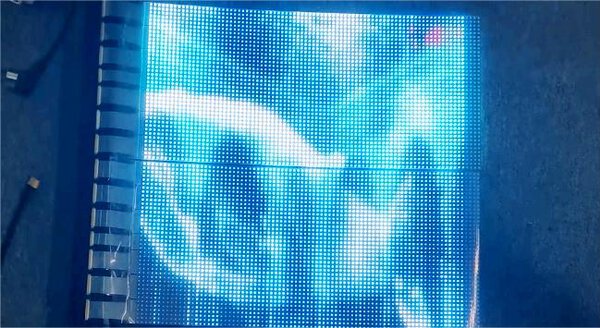
It swaps out stiff traditional screens for a bendable soft film. It’s very thin and it can show crisp HD images. You can stick this screen on shop windows or exhibit dividers. When on, it plays ads. When off, it’s fully see-through. Simply put, it makes content ‘float in the air’ without blocking the view behind it. Unlike traditional LED screens, it breaks physical limits with these key advantages:
- Ultra-Thin and Flexible: Only 1-3mm thick, it saves space, bends easily, and fits curved or unique surfaces.
- High Transparency: Up to 90%+ light passes through, keeping buildings bright and open.
- Easy Setup: Magnetic modular design sticks directly to glass or walls—no heavy frames needed.
- Energy-Saving: Low-power LED beads use 40% less energy than regular LEDs, cutting costs.
- Versatile Uses: Perfect for malls, showrooms, airports, car windows, and stage backdrops.
With these benefits, LED film screens are a game-changer for modern displays.
How LED Film Screens Work: Structure and Technology
An LED film screen is made up of a lamp board holder, a driver board, and an adhesive back panel. The driver board sits on the holder, while the adhesive panel sticks to the back. Double-sided tape on the adhesive connects the screen securely to glass. This frameless design keeps it super light and quick to install.
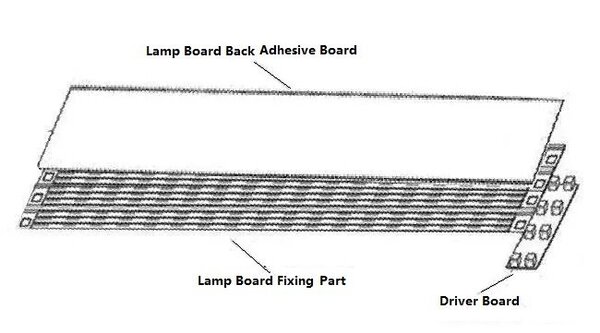
It works like a traditional LED screen: tiny light-emitting diodes (LEDs) form a grid that lights up when powered, creating images, videos, or patterns. By changing each LED’s brightness and color, you get vibrant visuals. YUCHIP’s light film screens go further with better light flow, wider viewing angles, and truer colors. Key tech includes:
- Transparent Conductive Film: Keeps power flowing while staying see-through.
- COB Packaging: Shrinks gaps between LEDs for sharper displays.
- Flexible Materials: Adapts to curves and tricky shapes.
This mix of simplicity and innovation makes light film screens stand out.
Transparent LED Screen vs. LED Film Screen: Which Should You Choose?
Choosing between a transparent LED screen and an LED film screen can be tricky. Both shine in different ways, so let’s compare them to help you decide.
| Feature | Transparent LED Screen | LED Film Screen |
| Transparency | 60%-90% | 85%-95% |
| Thickness | 10-15mm | 1-3mm |
| Key Traits | Bright, sturdy, high contrast | Thin, flexible, heat-resistant |
| Installation | Needs a frame or support | Sticks straight to glass |
| Best For | Big glass walls, outdoor ads | Indoor decor, exhibitions |
| Maintenance | Requires pros | Easy to swap out |
| Cost | Higher upfront | Lower, scalable |
Transparent LED screens are great for bold, bright setups like billboards or stages. LED film screens, though, win with their slim, flexible build—ideal for tight spaces or stylish decor.
How to Choose the Right LED Film Screen: 7 Key Factors
Picking the perfect LED film screen starts with knowing your needs. Here are seven simple factors to guide you:
Figure Out Your Use
Where will your light film screen go? Indoor or outdoor? A shop window might need 60% transparency to blend in, while a concert could demand a bigger, brighter screen.
Resolution and Pixel Pitch
Pixel pitch affects clarity. P3.91 works for close-up viewing (within 5 meters), while P10 suits farther distances (20+ meters). Match it to your content and audience.
Brightness Level
Indoor setups do fine with low brightness (800 nits) to save money. For indoor screens facing outside, pick medium (2000 nits). Outdoor needs high brightness (5000+ nits) for sunlight.
Transparency and Viewing Angle
It can range from 60%-95% transparency. A wide angle (like 160°) ensures more people see clear visuals without color distortion.
Size and Shape
Choose a size that fits your space—16:9 is common for video walls. Make sure it matches the viewing area for the best effect.
Durability and Care
Look for dust-proof, moisture-resistant, and heat-tolerant screens. YUCHIP’s products are tested tough and just need a wipe-down to maintain.
Budget and Long-Term Costs
Plan for upfront costs plus power and upkeep. YUCHIP offers competitive prices for lasting value.
These steps make finding your ideal LED film screen straightforward.
How to Install an LED Film Screen: Step-by-Step
Installing an LED film screen is easy—no bulky frames, just basic tools. Here’s how:
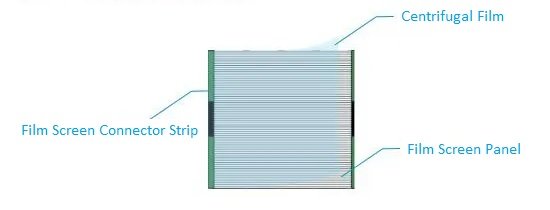
Step 1: Prep the Screen Module
Peel off the protective film carefully. Keep dust and bubbles out for a clean stick.
Step 2: Attach to Glass
Stick the screen onto the glass piece by piece. Line it up right—wipe the glass with alcohol for a stronger hold.

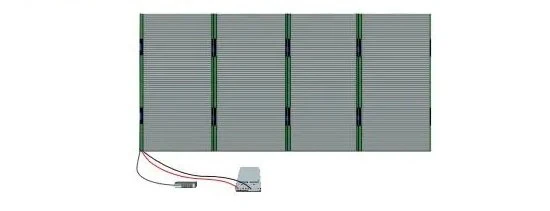
Step 3: Connect and Test
Hook up the power and signal cables, then tweak the settings until the display looks perfect.
Quick Tip: Don’t skip cleaning the glass, or it might peel off. Use a lint-free cloth for best results.
With these steps, your light film screen is up in no time.
Real-World Uses for LED Film Screens
LED film screens fit almost anywhere, and YUCHIP’s global projects prove it. Here’s where they shine:
1.Events and Concerts
Create stunning stage backdrops and video walls without blocking lights.

2.Retail Spaces
Show off dynamic ads in windows to grab shoppers’ attention with a sleek look.
3.Museums and Galleries
Add interactive exhibits or info displays with custom shapes for a techy vibe.
4.Digital Signs
Malls, stadiums, and transit hubs use them for ads and updates.
5.Trade Shows
Highlight products with eye-catching visuals that stand out.
6.Transit Hubs
Help travelers navigate or advertise with clear, bright screens.
The Future of LED Film Screens: What’s Next?
LED film screens are evolving fast, heading toward:
- Sharper Displays: Smaller pixel pitches for crisper details.
- Easier Setup: Removable or foldable designs for new uses.
- Smart Features: Think gesture controls or touch interaction.
The future looks bright—and transparent—for light film screens.
Your Next Step: Start with YUCHIP
YUCHIP, a top LED display maker, offers high-quality LED film screens tailored to you, with expert setup and support. Contact us today to find your perfect solution!
If you need help and want to inquire about LED film screens, please message us at manager@yuchip.com.
Frequently Asked Questions (FAQ)
1.Can LED film screens be cut?
Yes, with pro tools. Ask YUCHIP for custom options.
2.How long do they last?
5-10 years, depending on use and care.
3.What’s the difference with OLED?
Light film screens are thinner and cheaper; OLED has richer colors.
4.Are they waterproof?
Some resist splashes—add protection for outdoor use.
5.Can they go outside?
Yes, pick a weatherproof model for outdoor setups.
6.Do they play HD video?
Absolutely—P2.5 or lower pitches handle HD smoothly.
7.Can I customize the size?
Yes, YUCHIP crafts screens to fit your specs.
Related Articles You May Like:
Transparent LED Screens: The Future Of Digital Signage
Adhesive Transparent LED Display: Adhesive LED Display
What Is A Transparent LED Screen And How Does It Work?
P3.91 Transparent LED Screen In Guangzhou: A YUCHIP’s Project