

What Is an LED Floor Display?
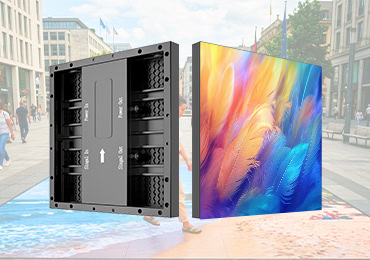
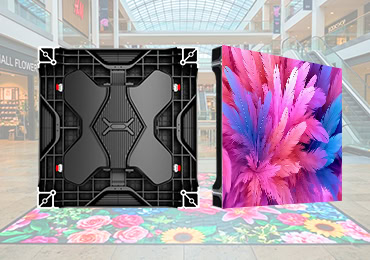
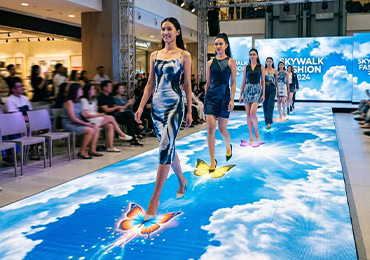
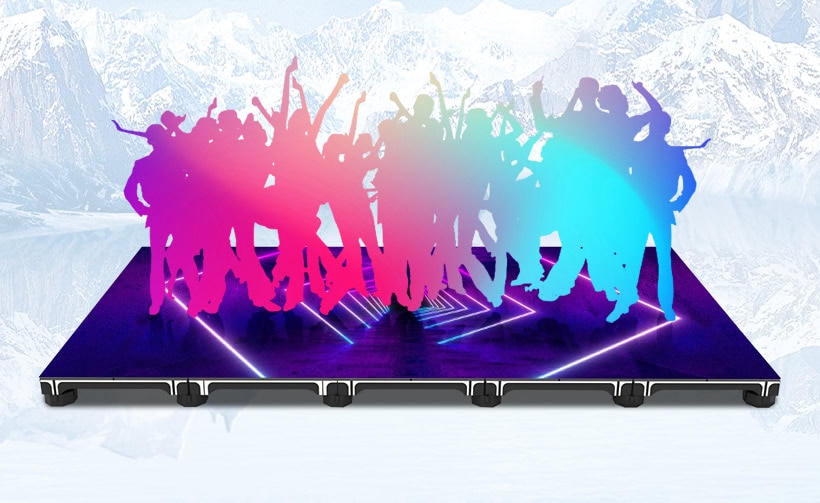
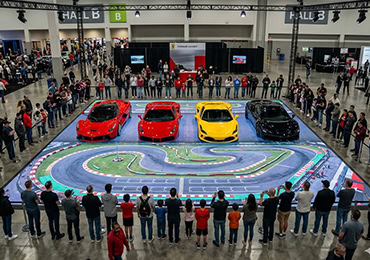
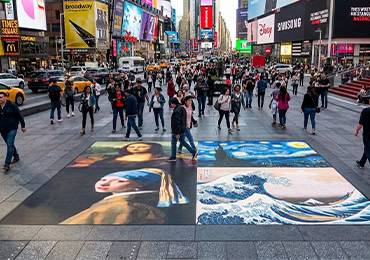
An LED floor display is a durable digital screen designed for interactive and immersive ground installations. Unlike traditional projection floors, LED floor screens deliver brighter visuals, real-time interaction, and stable performance in various lighting conditions. They are widely used in shopping malls, exhibitions, event stages, museums, entertainment venues, and immersive spaces. With features like anti-slip surfaces, heavy load capacity, and interactive sensor support, LED floor displays are built for continuous public use while creating engaging visual experiences.
LED Floor Display Solutions for Different Applications
How to Choose the Right LED Floor Display
Choose Pixel Pitch Based on Viewing Distance
For indoor LED floor displays viewed from short distances, finer pixel pitches such as P1.56, P1.95, P2.5, or P2.6 are commonly used to achieve smoother visuals and better immersive effects. These are popular choices for exhibitions, XR studios, museums, and retail spaces.
For outdoor projects or large public areas where viewing distance is longer, P3.91, P4.8, or P6.25 are usually more practical and cost-effective while still maintaining clear visibility.

Decide Between Indoor and Outdoor Installation
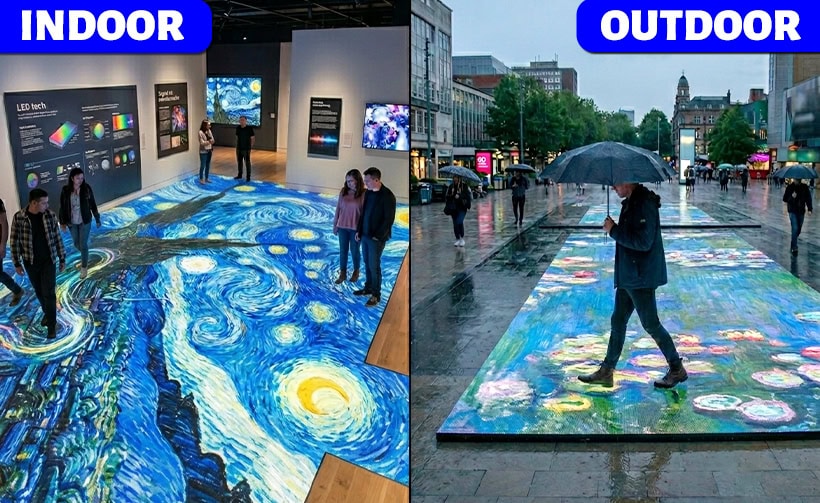
Indoor and outdoor LED floor displays have different protection requirements. Indoor models usually focus more on resolution and visual performance, while outdoor installations require stronger waterproof and dustproof protection.
For example, indoor floor displays may use IP31, IP43, or IP54 protection depending on the environment, while outdoor LED floor displays commonly require IP65 or even IP67 protection for stable operation in rain, dust, and changing weather conditions.
Consider Load Capacity for Public Safety
Load capacity is especially important for commercial projects with heavy foot traffic. Most professional LED floor displays support around 1.5 to 2 tons per square meter, which is equivalent to dozens of adults standing on the screen simultaneously.
Higher load-bearing structures are typically recommended for shopping malls, event stages, tourist attractions, and public entertainment venues where long-term durability is critical.

Choose Whether You Need Interactive Features
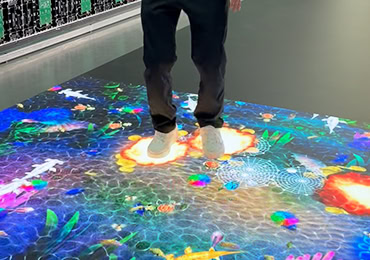
Interactive LED floor displays can create more engaging experiences through pressure sensors or infrared sensor systems. Pressure sensing is commonly used for precise footstep interaction, while infrared systems are suitable for larger motion-based effects.
Adding interactive functionality usually increases the total project cost by approximately 15% to 30%, depending on the sensor type and software requirements.
Plan the Right Screen Size for Your Space
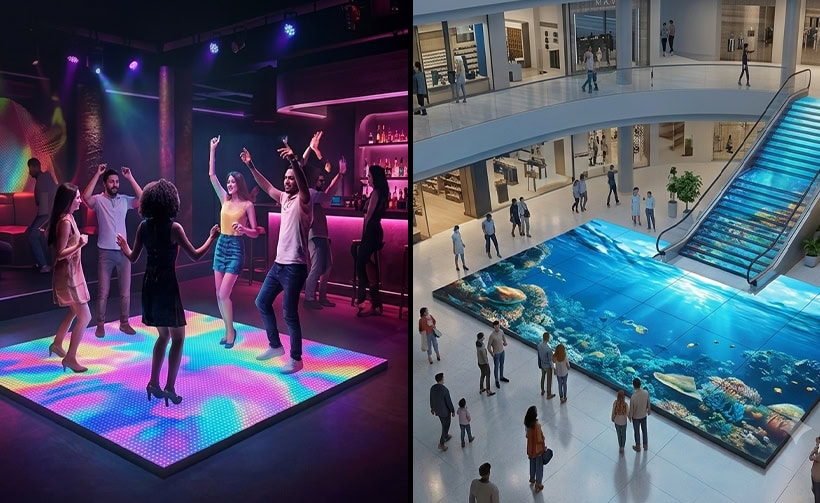
The ideal LED floor screen size depends on the application environment and audience flow. Smaller entertainment venues or bars may only require 10–30 square meters to create a strong visual impact, while shopping malls, immersive exhibitions, and public attractions often use much larger installations for a more immersive experience.
Planning the right screen size helps balance visual effect, installation cost, and visitor interaction.

Consider Surface Protection and Durability
For commercial environments with frequent pedestrian traffic, durability is often just as important as image quality. Features such as anti-slip surfaces and GOB protection can help reduce the risk of accidental damage while improving long-term reliability.
Projects in shopping malls, exhibitions, entertainment venues, and public spaces typically benefit from enhanced surface protection, especially where the screen will be exposed to continuous foot traffic or occasional impacts.
StepX vs StepX Pro: Which Solution Fits Your Project?
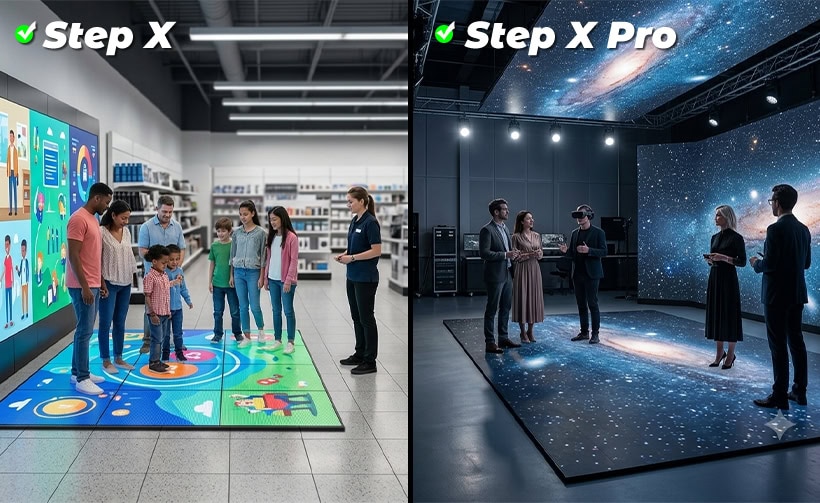
StepX is designed for standard commercial projects such as retail stores, exhibitions, event stages, and interactive entertainment spaces. It focuses on cost-effective performance, flexible installation, and reliable interaction for both indoor and outdoor use.
StepX Pro is built for high-end immersive environments including XR studios, digital art exhibitions, and premium commercial spaces. It delivers finer visual quality, stronger structural performance, and a more immersive viewing experience.
In general, StepX is ideal for budget-conscious interactive projects, while StepX Pro is better suited for premium installations that require higher image quality and immersion.
Why Businesses Are Switching to LED Floor Displays

Latest LED Floor Display Customer Cases


What You Need to Know about LED Floor Display
1.Does an LED floor display require a special floor structure?
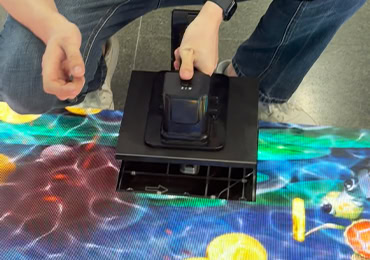
Most LED floor displays are installed using adjustable support structures, so customers usually do not need to prepare complicated floor foundations in advance.
For example, the StepX Series uses adjustable support feet with a height range of approximately 13–16 cm, while the StepX Pro Series supports lower-profile installation with adjustable heights around 15–20 cm, making it easier to achieve a cleaner and more seamless floor appearance.
2.How does an interactive LED floor display work?
Interactive LED floor displays typically use infrared sensors or pressure sensing systems to detect movement and trigger real-time visual effects. Infrared sensing is one of the most commonly used solutions because it provides fast response speed, stable interaction performance, and supports multi-person interaction simultaneously.
When users walk, jump, or move across the screen, the sensor system sends signals to the interactive software, allowing the LED display content to respond instantly with effects such as water ripples, motion tracking, games, or immersive animations.
3.Can LED floor displays work together with wall LED screens?
Yes. Many immersive projects combine floor LED displays with wall and ceiling LED screens to create fully integrated visual environments for exhibitions, XR studios, entertainment venues, and digital art spaces.
If needed, customized integrated display solutions can also be provided to help synchronize floor and wall visuals for a more immersive experience.
4.Is transportation and installation difficult for large floor LED projects?
Modern LED floor displays are designed with modular cabinets for easier transportation and installation. Different packaging and transportation solutions can also be arranged depending on the project size and shipping destination.
For international projects, suitable transportation protection solutions are typically recommended to improve safety during shipping and reduce installation risks on site.
5.Do interactive LED floor displays have response delay?
The response speed mainly depends on the sensor technology and software configuration. Infrared sensor systems usually provide faster and more stable real-time interaction compared to some traditional pressure sensing solutions, especially in multi-user environments.
Professional interactive LED floor displays are designed with low-latency systems to ensure smooth and responsive interaction effects for commercial applications such as exhibitions, retail spaces, and immersive entertainment projects.
Need Help Choosing the Right LED Floor Display?
Every project has different requirements for pixel pitch, screen size, interaction effects, load capacity, and installation environment. Whether you’re planning a retail space, immersive exhibition, entertainment venue, or large commercial project, the right solution depends on your specific goals.
The YUCHIP LED team can help evaluate your project requirements and recommend the most suitable LED floor display solution, including screen configuration, interactive features, installation planning, and budget considerations.
Contact Us Today to discuss your project and receive a customized solution proposal.