
Introduction
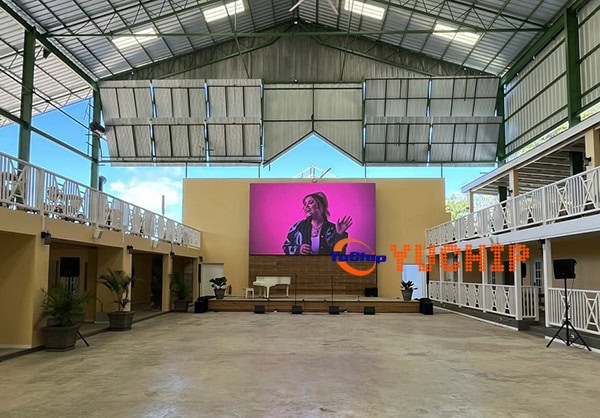
For a hotel in Barbados, the goal was simple: make better use of an underutilized wall and turn it into a dynamic communication space.
The hotel planned to install a large LED display in a semi-outdoor area where it could show promotional content during normal periods and switch to holiday-themed visuals during special occasions.
The project called for a combination of image clarity, brightness, and environmental protection. But because the installation was in Barbados, there was another factor to consider: the humid island climate.
YUCHIP recommended a 6.72 × 3.84 m P3 outdoor LED display with an iron cabinet, a practical solution based on the technology and product lineup available when the project was completed.
The screen was successfully installed and commissioned. More importantly, the relationship continued long after the original project. In 2025, the same customer referred a friend to YUCHIP, who later purchased two Eco Pro Series outdoor LED displays.
From an Empty Wall to a Dynamic Hotel Display
The project started with a simple idea.
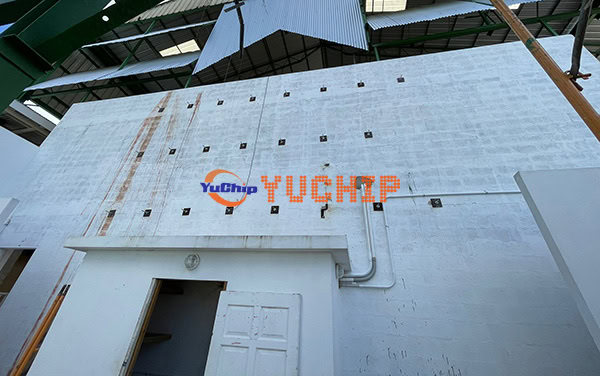
The hotel had a wall in a semi-outdoor area that could be used to communicate with guests and attract attention. Instead of relying on static signage, the customer wanted a display that could be updated with different content throughout the year.
During normal periods, the screen could be used for hotel advertising and promotional messages.
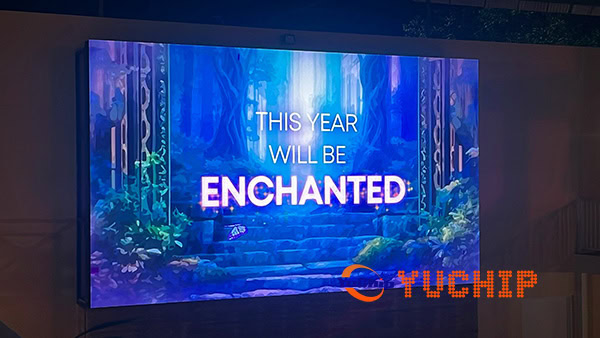
During holidays, the hotel could replace those visuals with seasonal content to create a more engaging atmosphere.
The planned screen was large—6.72 × 3.84 meters—so choosing the right display was not simply a matter of screen size. The display also needed to perform reliably in the actual installation environment.
Before the project moved forward, the customer shared a photo of the wall with YUCHIP.
What Had to Be Considered Before Choosing the Display?
The customer had three main requirements.
Clear Content at a Large Screen Size
The hotel wanted the display to deliver clear advertising and promotional content rather than simply function as a large illuminated sign.
A P3 pixel pitch was therefore selected for the project, providing the image definition required for the intended viewing conditions.
Brightness for a Semi-Outdoor Installation
Although the screen would be installed in a semi-outdoor area, it would still be affected by ambient daylight.
This meant a conventional indoor LED display would not be the appropriate choice. The display needed outdoor-level brightness while remaining appropriate for the actual exposure conditions of the installation.
Protection in a Humid Island Environment
The location created another consideration.
Barbados is a tropical island, where high humidity is part of the normal environment. For an electronic display, environmental protection therefore needs to be considered alongside image performance.
The selected outdoor LED display had an IP65 protection rating.
It is important, however, to distinguish between this project’s actual exposure and a fully exposed coastal installation. The screen was installed in a semi-outdoor area, where it was not directly exposed to rainfall.
For this particular application, the combination of the installation location and the display’s IP65 protection provided the required level of environmental protection.
Why an Iron Cabinet Was Selected for This Project
Today, YUCHIP’s outdoor LED display lineup includes the Eco Pro Series, but this project was completed several years before Eco Pro was introduced.
At that time, the outdoor iron cabinet series was one of YUCHIP’s main solutions for outdoor LED display projects.
The recommendation was therefore based on the product lineup and project requirements at that time—not on the idea that an older cabinet design should be used for every outdoor project today.
For this hotel installation, the iron cabinet configuration offered a practical combination of:
- P3 pixel pitch
- Outdoor brightness
- IP65 protection
- A configuration suited to the semi-outdoor installation
This distinction is important when looking at older LED display projects. Product recommendations evolve as new technologies and product series become available. What matters is whether the selected solution was appropriate for the project when it was designed.
How the Barbados Installation Came Together
Once the display configuration was confirmed, the project moved into installation.
The customer shared installation photos with YUCHIP during the process, giving the team visibility into how the display was being assembled on site.
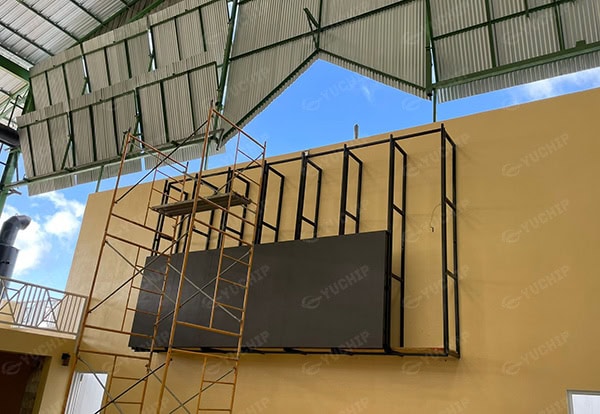
The final display measured 6.72 × 3.84 meters, creating a large digital surface for the hotel’s promotional and seasonal content.
At this stage, the physical installation was progressing as planned.
The next step was commissioning the display and getting the system ready for operation.
That was when the project encountered its only notable technical issue.
The Screen Did Not Light Up During Initial Commissioning
After the installation was completed, the customer began configuring the LED display. However, during the initial commissioning, the P3 modules did not display correctly.
YUCHIP’s engineers worked with the customer remotely to troubleshoot the issue. The problem was traced to a corrupted NovaStar receiving card configuration file (.rcfgx) used during the initial setup.
The engineers provided the correct configuration for the ICN2153 driver IC and guided the customer through re-uploading the file via NovaLCT. Once the correct configuration was loaded, the P3 modules were restored and the screen returned to normal operation within minutes.
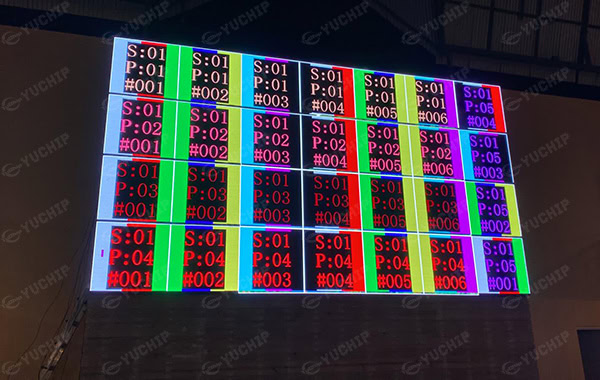
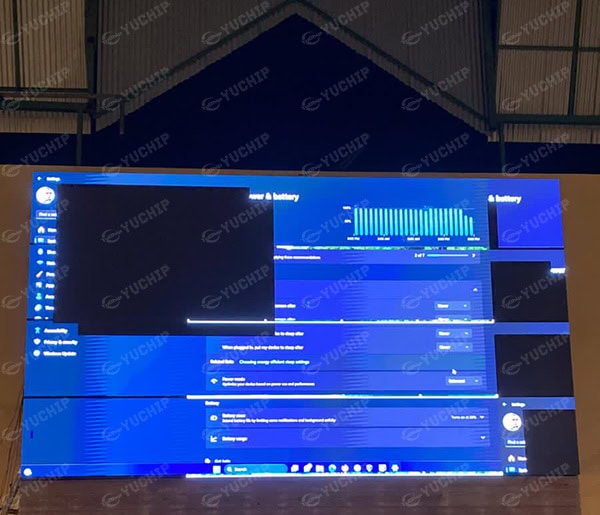
The issue was ultimately a configuration problem rather than a hardware failure. Resolving it remotely allowed the customer to continue the commissioning process without waiting for an on-site service visit.
For large LED display installations, this kind of remote technical support can be just as important as the hardware itself. Correct receiving-card configuration ensures that the installed modules can communicate properly with the control system and display content as intended.
From Installation to Everyday Hotel Content
After the configuration issue was resolved, the display was ready for normal operation.
The hotel could now use the screen according to its changing communication needs instead of relying on a fixed visual message.
That meant the same screen could support everyday advertising and promotional content while also being used for holiday campaigns and seasonal visuals.
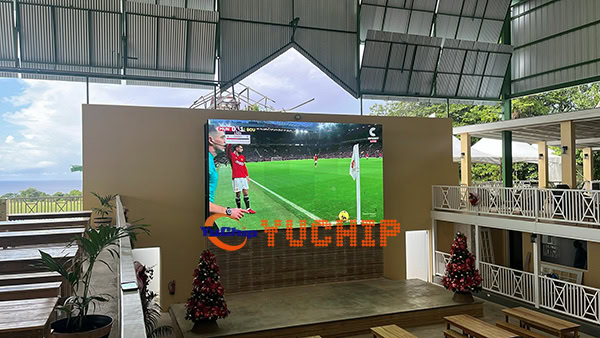
The value of the display was therefore not only its physical size. It gave the hotel a reusable digital communication platform that could change with its marketing calendar.
The Customer’s Feedback Went Beyond the Screen
After the display was put into operation, the customer was satisfied with the screen’s overall performance.
The customer also specifically appreciated YUCHIP’s response when the commissioning issue occurred.
Because the problem was resolved remotely, the customer did not have to wait for an on-site service visit before the screen could be brought into operation.
The customer told YUCHIP that they would recommend the company to friends who were looking for an LED display.
At the time, this was simply a positive comment.
Several years later, it became a real referral.
In 2025, the Customer Came Back With a Referral
The strongest part of this project story happened years after the original installation.
In 2025, the Barbados customer recommended a friend to YUCHIP for another outdoor LED display project.
This time, the customer purchased the Eco Pro Series P3.91, with two display sizes:
| Display | Size |
| Eco Pro P3.91 | 2.5 × 1.5 m |
| Eco Pro P3.91 | 2 × 1.5 m |
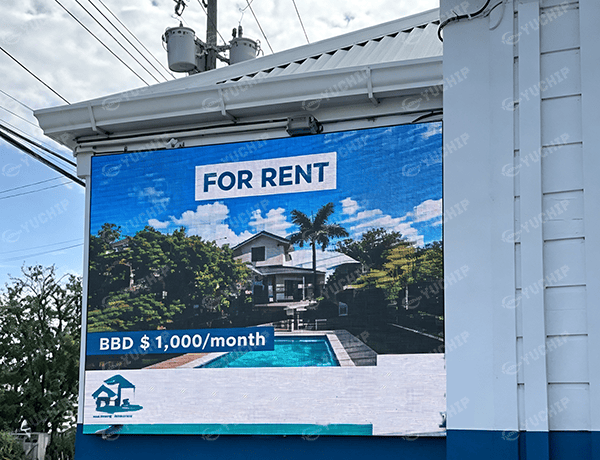
The second project also shows how YUCHIP’s outdoor LED display solutions have evolved.
The original Barbados hotel project used an outdoor iron cabinet because that was one of YUCHIP’s main outdoor solutions at the time. By 2025, the newer Eco Pro Series had become part of the company’s outdoor product lineup, offering a different cabinet design and updated product characteristics.
The important point is not that one product is universally better than the other.
It is that the appropriate solution depends on when the project was undertaken and what the project actually requires.
From the Original Iron Cabinet to Eco Pro: How Outdoor Solutions Evolved
The two projects provide a useful example of how YUCHIP’s outdoor LED display solutions have evolved over time. The original Barbados hotel project used the outdoor iron cabinet series available at the time, while the 2025 referral project used the newer Eco Pro Series.
| Project | Original Barbados Hotel Project | 2025 Referral Project |
| Product | Outdoor Iron Cabinet | Eco Pro Series |
| Pixel Pitch | P3 | P3.91 |
| Screen Size | 6.72 × 3.84 m | 2.5 × 1.5 m + 2 × 1.5 m |
| Installation | Semi-outdoor hotel area | Outdoor project |
| Cabinet Weight | 42 kg/m² | 22.5 kg/m² |
| Maintenance | Rear | Front & Rear |
| IP Rating | IP65 | IP65 |
| Cabinet Material | Steel | Profile Aluminum |
The most visible change is the cabinet design. The Eco Pro Series uses a profile aluminum cabinet weighing 22.5 kg/m², compared with approximately 42 kg/m² for the iron cabinet used in the original project. The lighter construction can make a difference when transportation, handling, installation, and structural load need to be considered.
Maintenance flexibility also evolved. The original display used rear maintenance, while Eco Pro supports both front and rear maintenance, giving installers more flexibility when rear access is limited.
At the same time, the two solutions share an IP65 protection rating, showing that product evolution does not necessarily mean every specification changes. The right configuration still depends on the installation environment and project requirements.
For newer outdoor projects where lighter cabinets, easier maintenance, and updated installation flexibility are important, the Eco Pro Series provides a more modern solution.
Learn more about the Eco Pro Series Outdoor LED Display to see its current specifications and available configurations.
What This Barbados Project Shows
Looking back at the project, the most important takeaway is not simply that a P3 LED display was installed at a hotel.
It is how the solution was matched to the project.
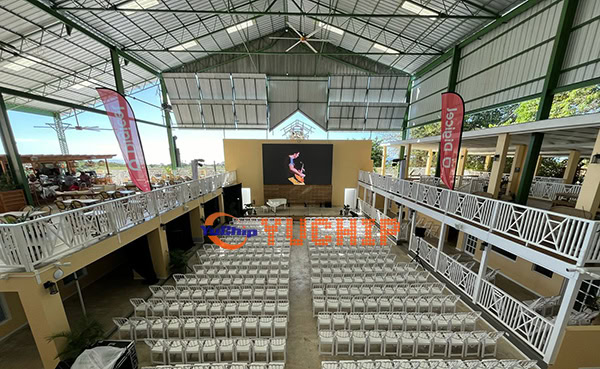
The hotel needed a large, bright display for a semi-outdoor area. The location required environmental protection because of the humid island climate. The customer also needed practical technical support during commissioning.
The selected display met those requirements, and when a configuration problem appeared during setup, YUCHIP was able to help resolve it remotely.
The relationship then continued beyond the original installation.
Years later, the same customer referred a friend who purchased two Eco Pro Series outdoor LED displays.
That referral is perhaps the clearest indication that the original project delivered more than a working screen. It built enough confidence for the customer to recommend YUCHIP to someone else.
A Successful LED Display Project Is More Than the Hardware
Outdoor LED display projects are often evaluated by specifications such as pixel pitch, brightness, IP rating, and cabinet design.
Those specifications matter, but they are only part of the project.
The actual installation environment, the intended content, the customer’s budget, the available product options, and the support required during commissioning all influence the final recommendation.
The Barbados hotel project was completed with an earlier-generation outdoor iron cabinet solution because it matched the project’s requirements at that time.
Years later, a new project from the same customer network used the newer Eco Pro Series.
The products changed. The principle did not:
Understand the project first, then choose the LED display that fits it.
For hotels, commercial properties, and advertising projects in Barbados and other humid coastal markets, YUCHIP provides project-based LED display recommendations covering product selection, installation support, and commissioning assistance.
Planning an Outdoor LED Display Project? Contact YUCHIP to discuss your screen size, installation conditions, and technical requirements.