
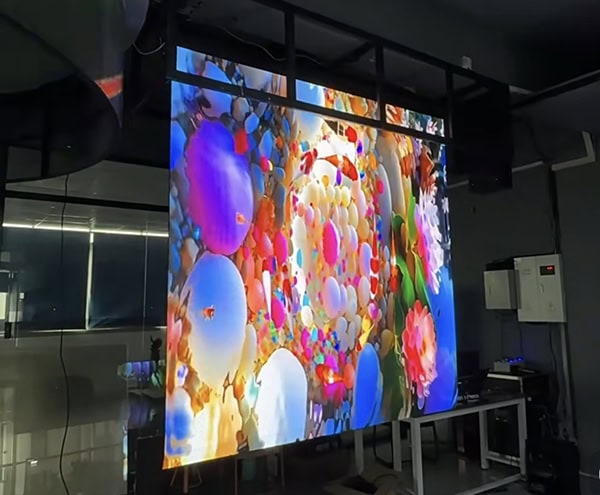
A roll up LED display is an LED screen designed with segmented LED panels that can roll into a compact form for transportation and storage. Unlike traditional LED cabinets, the screen is built from multiple horizontal LED panels connected by flexible joints or cables. Each panel remains rigid, while the connections between them allow the entire display to roll up smoothly.
In the LED display industry, the term roll up LED display is sometimes used loosely. Some buyers use it to describe a true rollable LED screen, while others may mean a flexible LED display, an LED poster display, or even a transparent LED film screen. That is why understanding the actual meaning of the term is important before choosing a product.
In this guide, we explain what a roll up LED display is, how it works, how it differs from similar products, its advantages and limitations, common applications, and how to choose the right solution for your project.
What Does “Roll Up LED Display”Mean?
A roll up LED display usually refers to an LED screen that can roll into a compact shape while forming a seamless flat display when deployed.
In most cases, the term refers to a rollable LED display, which is different from a truly flexible LED screen. A flexible LED screen uses soft modules that can bend directly, while a rollable LED display usually uses rigid LED panels connected by flexible joints, allowing the entire screen to roll up for transport.
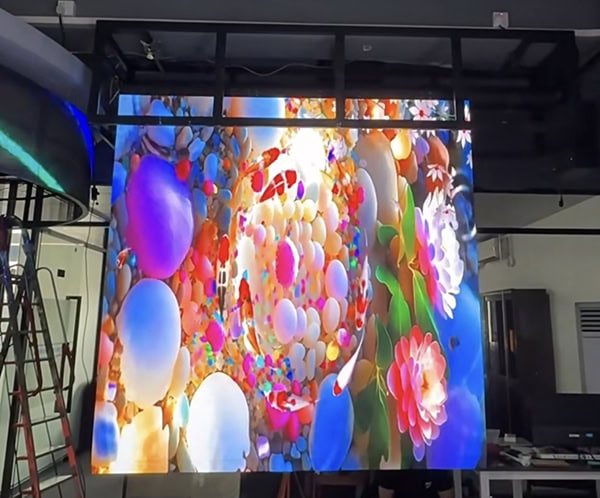
Unlike conventional LED displays built with large rigid cabinets, a rollable LED display is typically constructed from multiple horizontal LED panels arranged in rows.
Each panel uses a rigid PCB and standard LED modules to ensure stable image quality. The panels are then connected using flexible signal and power cables or hinge-like structures, allowing the entire screen to roll up without bending the LED modules themselves.
For many buyers, the main appeal of a roll up LED display is not just portability, but also practicality. It is often chosen when a project requires:
- faster setup and dismantling
- easier transportation between events
- lighter display structures
- temporary or semi-permanent installation
However, not every display marketed as a “roll up LED display” is truly rollable. That is where confusion often begins.
Why the Term “Roll Up LED Display”Can Be Confusing
The phrase roll up LED display is not a strict technical category used across all manufacturers. In search results and product listings, it may refer to several different products.
Rollable LED Display
This is the most direct meaning. It refers to a screen that can roll into a compact form for transportation or installation. It is commonly used for:
- exhibitions
- stage backgrounds
- event rental projects
- creative installations
Flexible LED Screen
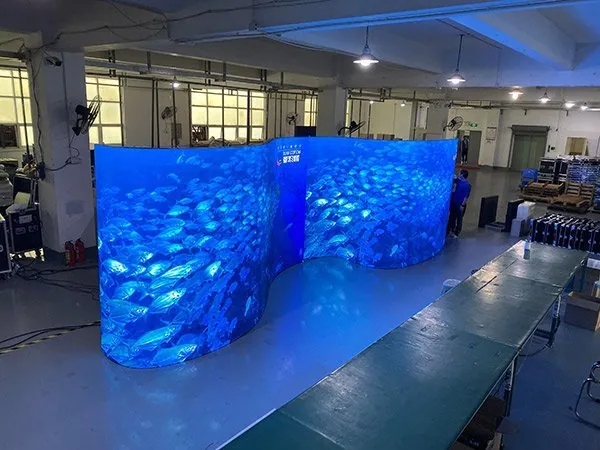
A flexible LED screen is a broader category. Some flexible LED displays can be curved but not fully rolled into a compact cylinder. Others are designed for wrapping around columns, walls, or irregular structures.
LED Poster Display
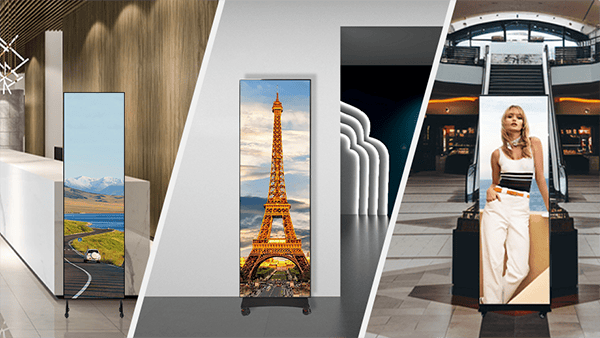
Some sellers use “roll up display” to describe LED poster displays because they visually resemble traditional roll-up banners. However, this is not technically accurate. LED poster screens are portable, but they are built with rigid cabinets and cannot actually roll. Some models are foldable for easier transportation and storage, but folding is different from true rollable LED screen technology. For example, foldable LED poster displays offer a more portable design while still using a rigid cabinet structure.
Transparent LED Film Display
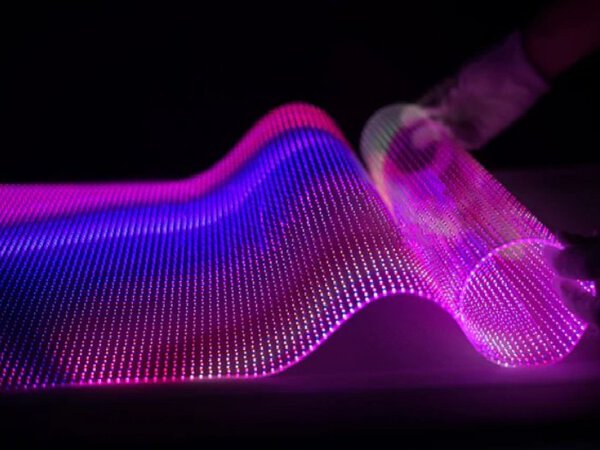
In some cases, ultra-thin LED film screens or crystal film LED displays are also associated with the idea of “roll-up” because certain film-based products can be transported in rolled form. These products are usually designed for glass walls, storefront windows, or transparent media façades.
Because of this mixed usage, buyers should focus less on the wording and more on the actual product structure, flexibility level, and application scenario.
If you are new to this term, you can check our article about Transparent LED Film Display here.
How Does a Roll Up LED Display Work?
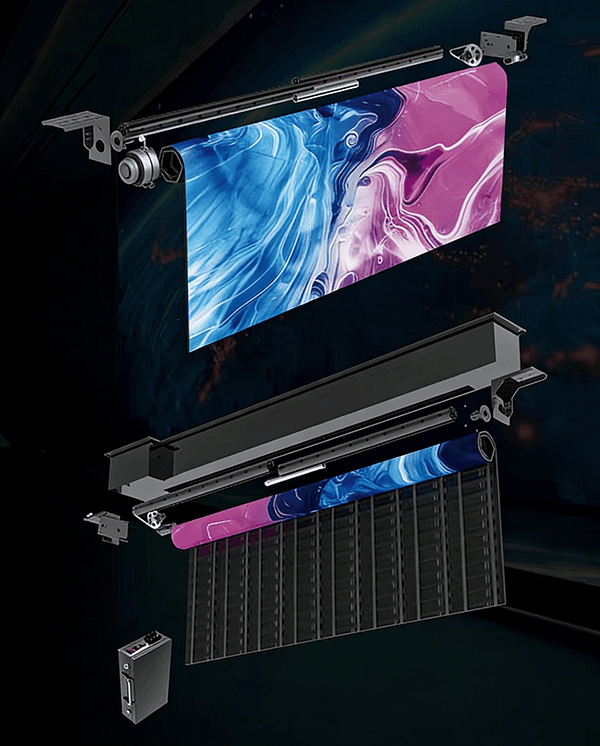
A roll up LED display works through a segmented panel structure combined with flexible interconnections.
Instead of bending the LED modules themselves, the display uses multiple rigid panels connected in a way that allows the entire screen to roll into a compact shape. The goal is to allow the screen to roll smoothly without interrupting signal transmission or damaging the LED modules.
Segmented LED Panels
A rollable LED display is typically built from multiple narrow LED panels arranged horizontally. Each panel uses a rigid printed circuit board (PCB) and standard LED components to maintain stable brightness, color consistency, and durability.
Flexible Interconnections
The key to the rollable design lies in the connections between the LED panels. Flexible signal cables, power cables, or hinge-like mechanical joints allow the panels to move relative to each other. This enables the entire display to roll up while protecting the LED modules from mechanical stress.
Lightweight Structural Materials
Instead of large traditional cabinets, rollable LED displays often use lightweight support frames and modular panel structures. These designs help reduce transportation volume and make installation easier for temporary events or exhibitions.
Signal and Power Integration
Even though the display is rollable, it still requires stable power supply, data transmission, and display control systems. A well-designed rollable LED display balances flexibility with image stability, refresh rate, color consistency, and structural safety.
This combination allows the screen to be transported more efficiently and installed in situations where rigid LED cabinets would be too heavy, too bulky, or too limited in shape.
Key Advantages of Roll Up LED Displays
Rollable LED displays offer several practical benefits, especially for temporary projects and creative installations.
Easier Transportation
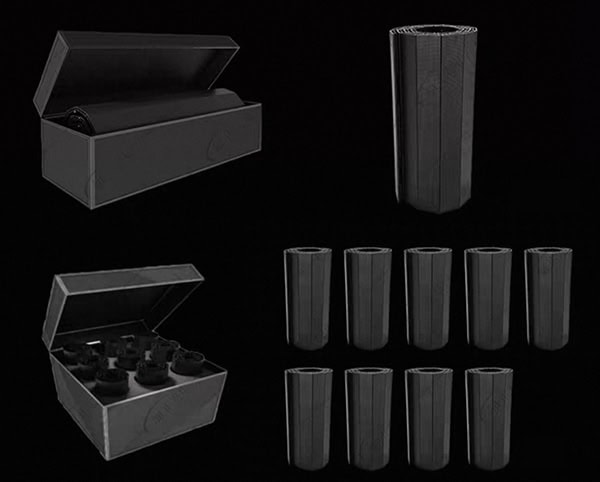
Because the display can be rolled or stored in a more compact form, it reduces packaging size and shipping volume. This can lower logistics costs, especially for trade shows and touring events.
Faster Installation
A roll up LED display is often easier to deploy than a traditional rigid LED wall. For short-term events where setup time matters, this can save both labor and installation time.
Lightweight Design
Without large heavy cabinets, many rollable LED screens are lighter and easier to transport and handle. This is particularly useful when displays need to be moved frequently.
Better for Temporary Applications
For exhibitions, concerts, fashion shows, and promotional campaigns, portability and fast assembly are often more important than permanent rigid construction. This is where rollable LED screens perform well.
Limitations of Rollable LED Displays
To choose the right product, it is also important to understand the limitations of a roll up LED display.
Not Ideal for Every Permanent Installation
While flexible and portable, rollable LED screens are not always the best choice for large fixed outdoor billboards or long-term heavy-duty projects.
Customization Can Increase Cost
Compared with standard rental LED display cabinets, rollable LED displays may require specialized mechanical structures and connection systems, which can increase customization cost compared with standard LED cabinets.
Handling Still Requires Care
A rollable LED display is lightweight, but that does not mean it can be handled carelessly. Proper transport, bending radius control, and installation technique are still important.
Outdoor Use Depends on the Model
Not every rollable LED screen is suitable for outdoor conditions. Buyers should verify brightness, waterproof rating, structural strength, and environmental protection before use.
Product Definitions can Vary by Supplier
Some products advertised as “roll up LED display” may actually be LED posters or flexible modules with limited bending ability. Product details should always be checked carefully.
Adding these considerations helps avoid unrealistic expectations and leads to better purchasing decisions.
Roll Up LED Display vs Traditional LED Screen
Although both products display video and digital content, their structures and use cases are different.
| Feature | Roll Up LED Display | Traditional LED Screen |
| Structure | Segmented LED panels with flexible connections | Rigid cabinets |
| Transportation | Compact and easier to ship | Bulkier and heavier |
| Installation | Fast, flexible, often curved | More fixed and structured |
| Weight | Lighter in many applications | Heavier overall |
| Shape | Options Curved, wrapped, custom forms | Mostly flat |
| Common Use | Exhibitions, events, stage design, creative projects | Billboards, stadiums, fixed installations |
A traditional LED screen is usually better for large permanent projects, while a rollable LED display is often better for mobile, temporary, or design-oriented applications.
Roll Up LED Display vs LED Poster Display
This is one of the most common points of confusion.
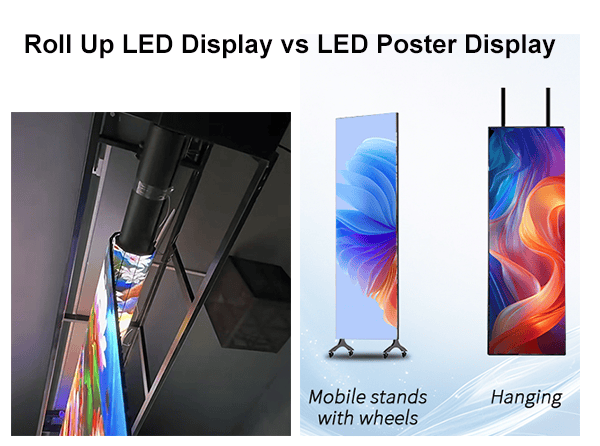
An LED poster display is a slim, freestanding digital signage product that looks similar to a printed roll-up banner in shape and usage. It is easy to move, but it is not a true rollable LED screen.
| Feature | Roll Up LED Display | LED Poster Display |
| Structure | Segmented LED panels connected by flexible cables | Rigid cabinet |
| Can It Roll? | Yes, in applicable designs | No |
| Installation | Curved, wrapped, custom-mounted | Usually freestanding |
| Typical Size | Medium to large custom display area | Vertical poster format |
| Common Applications | Stage backgrounds, booths, creative displays | Retail, malls, promotions |
If you need a flexible screen for a booth wall, curved structure, or portable event backdrop, a rollable LED display is more suitable. If you need a standalone advertising screen in a store or mall, an LED poster display may be the better choice.
Common Applications of Rollable LED Displays
Because of their portability and flexible structure, rollable LED displays are widely used in several industries.
Exhibitions and Trade Shows
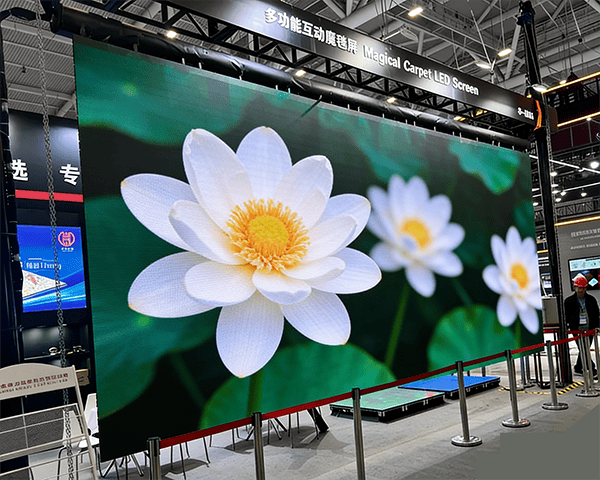
Exhibition projects often require fast setup, compact shipping, and eye-catching presentation. A rollable LED display can help exhibitors build a digital booth wall without using heavy traditional cabinets.
Typical uses include:
- brand promotion videos
- product launch presentations
- interactive booth displays
- trade fair visual backdrops
Stage Backgrounds and Concerts
In performance environments, a curved or creative screen can enhance visual impact. Rollable LED screens are often used for:
- concert backdrops
- fashion show stages
- theater productions
- event opening ceremonies
Retail Promotions
For temporary campaigns, seasonal promotions, and experiential marketing spaces, a portable LED screen can be a practical solution. It allows brands to create more dynamic advertising than static signage.
Museums and Creative Installations
Designers and artists also use rollable LED displays or flexible LED screens for custom visual installations.
Event Rental Projects
Rental companies may choose rollable LED solutions when they need faster transport, easier storage, and more creative installation options across different venues.
How to Choose the Right Rollable LED Display
Before buying or renting a roll up LED display, consider the following factors.
Pixel Pitch
Pixel pitch affects viewing distance and image quality. Smaller pixel pitch provides better resolution for close viewing, which is important for exhibitions and indoor displays.
Brightness
Indoor projects usually require lower brightness than outdoor projects. If the display will be used in bright environments, confirm that the brightness level is sufficient.
Screen Size
The ideal screen size depends on the venue, audience distance, and installation design. A booth display, stage backdrop, and creative wall installation may all require different dimensions.
Installation Environment
Check whether the display will be used:
- indoors or outdoors
- temporarily or long-term
- on flat walls or suspended frames
Maintenance and Serviceability
Ask whether the product supports front maintenance or modular replacement. This matters for ongoing operation and repair efficiency.
Control System Compatibility
Make sure the display system is compatible with your media sources, processing equipment, and playback requirements.
How Much Does a Rollable LED Display Cost?
The price of a rollable LED display depends on several factors rather than one fixed standard.
Main factors that affect cost:
- pixel pitch
- screen size
- indoor or outdoor use
- brightness requirement
- customization level
- structural support design
- control system
- installation accessories
- spare modules and maintenance needs
In general, a highly customized roll up LED display may cost more than a standard rigid LED cabinet because it may require specialized mechanical structures and connection systems. However, for some projects, the savings in transport, installation time, and creative value can justify the investment.
If you are comparing products, do not look only at the screen price. It is also important to compare:
- shipping cost
- installation time
- structural complexity
- reusability across projects
- long-term maintenance needs
Are Rollable LED Displays Suitable for Outdoor Use?
Some rollable LED displays can be designed for outdoor applications, but not all of them are suitable by default.
For outdoor use, you should verify:
- brightness level
- waterproof performance
- dust protection
- structural stability
- operating temperature range
- installation safety
In many cases, indoor rollable LED screens are more common than outdoor ones. If your project is outdoors, it is important to confirm the product specifications carefully with the supplier.
Conclusion
A roll up LED display is a portable LED screen built with segmented LED panels that can roll into a compact form for transport. It is especially useful for events, exhibitions, and stage productions where traditional rigid LED screens are too heavy or inflexible.
Because the term is often used loosely, it’s important to confirm whether a product is truly rollable — not just marketed as one.
Need help choosing the right display? Contact YUCHIP LED for a free consultation.
FAQ About Roll Up LED Displays
1.What is a roll up LED display?
A roll up LED display uses segmented panels connected by flexible cables or joints, allowing the screen to roll into a compact form for easy transportation and storage.
2.Is a roll up LED display the same as a rollable LED screen?
In most cases, yes. Suppliers commonly use the term “roll up LED display” to describe a rollable LED screen, although the exact usage may vary between suppliers.
3.Can LED displays really be rolled up?
Some manufacturers design LED displays to roll up using segmented panel structures and flexible connections. This design differs from flexible LED screens that use soft LED modules.
4.Are rollable LED displays suitable for exhibitions?
Yes. Exhibitors widely use them in exhibitions and trade shows because they are portable, lightweight, and fast to install.
5.Are rollable LED screens durable?
Yes. High-quality products are durable, but correct transport, installation, and handling are still important for long-term reliability.
6.Can a rollable LED display be used outdoors?
Some models can, but outdoor use depends on brightness, waterproof rating, and overall structural design.
7.How do I choose the right pixel pitch?
Choose pixel pitch based on viewing distance. Smaller pitch is better for close viewing, while larger pitch may be acceptable for longer viewing distances.