
Introduction
Choosing between UHD vs OLED isn’t just a matter of specs—it’s about knowing which screen type fits your real-world application, whether it’s a TV, digital signage, or LED video wall. While both are associated with high-end visual quality, they serve different purposes and offer distinct advantages. In this guide, we’ll explain everything you need to know to make a smart, future-ready decision.
What Is UHD?
UHD (Ultra High Definition) refers to a resolution of 3840 x 2160 pixels, commonly called 4K. It offers four times the detail of Full HD (1080p), making it ideal for large displays and high-clarity content.
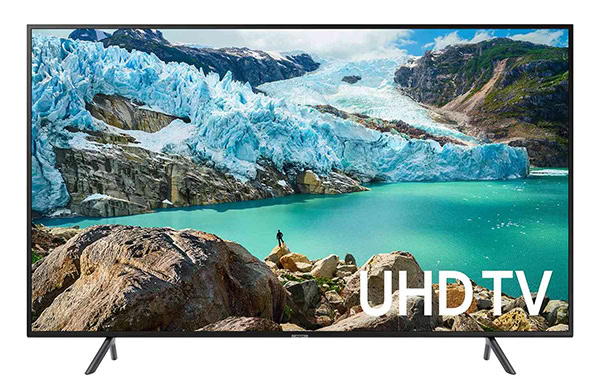
But UHD is only a resolution standard—it doesn’t define screen quality or how the image is produced. You can find UHD resolution on various screen types, including:
- LED-backlit LCD TVs
- OLED TVs
- Fine-pitch LED video walls
In short, UHD tells you how sharp the image can be, but not how it’s delivered.
What Is OLED?
OLED (Organic Light-Emitting Diode) is a display technology where each pixel lights itself—no backlight needed. This results in:
- Deep blacks
- High contrast
- Vivid color
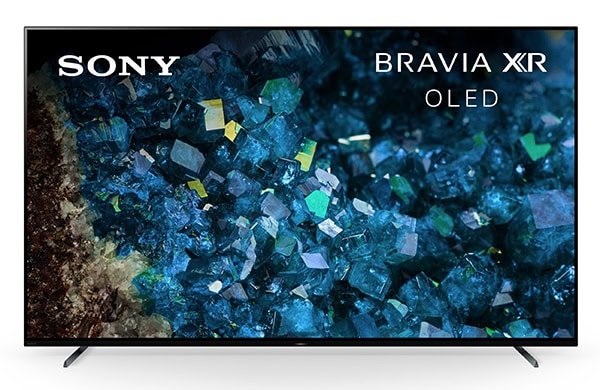
Many OLED screens today are also UHD resolution, especially in high-end TVs. But OLED is not ideal for all scenarios—its lower brightness and burn-in risk can be drawbacks for long-term or commercial use.
UHD vs OLED: Key Differences Explained
As we covered earlier, UHD is about resolution, while OLED is about display technology. But when it comes to choosing the right screen, these two intersect in ways that matter.
Understanding the differences between UHD and OLED starts with knowing that you’re comparing a resolution standard (UHD) and a display technology (OLED). Still, they directly affect how images look, perform, and last in real-world use. Here’s a closer look at how they compare.
Resolution vs. Technology
- UHD (Ultra High Definition)defines the pixel count—typically 3840×2160. It simply tells you how detailed the image can be, but not how that image is created or displayed.
- OLED, on the other hand, refers to the type of screen technologythat lights up the pixels. It affects everything from color richness to contrast to response time.
In other words: UHD tells you how sharp the image can be, while OLED tells you how good it will look in terms of contrast, brightness, and color depth.
Picture Quality
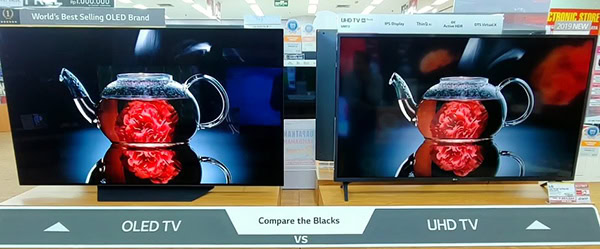
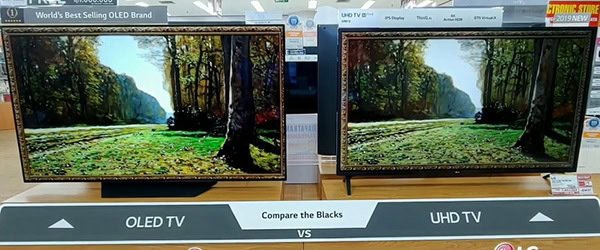
OLED displays generally offer better image quality than most UHD displays that use traditional LED-backlit LCD technology. Why?
- Each pixel emits its own light → perfect blacks and infinite contrast
- Faster response time → smoother motion in fast scenes
- More color accuracy and depth
UHD displays, depending on the panel type, may still show impressive visuals. But a UHD resolution on a low-end LED panel won’t match the visual experience of an OLED UHD screen.
UHD vs OLED in image quality? OLED usually wins—but only when combined with UHD resolution.
Brightness and Visibility
- UHD LED-backlit displays(especially in commercial screens) can hit 3000–8000 nits, making them ideal for bright environments like storefronts or outdoors.
- OLED screensare typically limited to 800–1000 nits. In very bright rooms or sunlight, they can appear dim.
For high brightness needs, like outdoor signage or daylight-viewable displays, UHD LED wins over OLED.
Lifespan and Burn-In
OLED screens are vulnerable to burn-in, where static content (like logos or text) leaves ghost images over time. While this is less of an issue in normal TV use, it’s a real concern in:
- Menu boards
- Control room displays
- Business signage with fixed elements
UHD LED displays, especially with commercial-grade SMD or COB LEDs, do not suffer burn-in and often last 50,000 to 100,000 hours, even in continuous use.
In the UHD vs OLED debate, LED screens are much better suited for long-term commercial LED screen applications.
Size, Scalability, and Flexibility
- OLED panelscome in fixed sizes (up to 97″) and are fragile, making them impractical for modular or large-format applications.
- UHD LED displaysare modular, meaning you can build video walls of any size or shape—from retail backdrops to stadium screens—while still delivering UHD or even 8K resolution.
If you need a large screen or custom layout, OLED isn’t an option—UHD LED wins on scalability and flexibility.
Cost and Value
- OLED UHD TVsare often premium-priced due to the panel tech and picture quality.
- UHD LED displaysrange widely in price, from affordable indoor solutions to high-end outdoor LED walls, giving you more flexibility based on budget and project type.
Want high-end visuals at home? OLED might be worth it.
Need scalable, durable screens for business? UHD LED is more cost-effective long-term.
Summary: UHD vs OLED at a Glance
Here’s the side-by-side comparison table to help you see more clearly.
| Feature | UHD Display (LED-based) | OLED Display |
| Definition | Resolution (3840×2160) | Self-emissive screen tech |
| Image Sharpness | High (if pixel pitch supports it) | High (usually UHD OLED) |
| Contrast & Blacks | Depends on panel type | Exceptional (true blacks) |
| Brightness | Very high (up to 8000 nits) | Moderate (typically ≤1000 nits) |
| Burn-in Risk | None | Medium to high with static content |
| Lifespan | 50,000–100,000 hours | Shorter with heavy usage |
| Installation Size | Scalable (video walls) | Limited (fixed panel sizes) |
| Use Cases | Digital signage, control rooms, events | Home theater, premium TVs |
| Scalability | Modular and flexible | Not scalable beyond TV sizes |
UHD vs OLED: Best Use Cases Compared
Now that we’ve covered the technical differences, let’s apply them to real-life scenarios. This is where the UHD vs OLED debate becomes practical—because not every screen is meant for every use.
For Home Theater (Dark Rooms)
Want cinematic quality? OLED UHD TVs deliver an unbeatable viewing experience:
- Deep blacks and incredible contrast
- Accurate color reproduction
- Immersive experience in low-light settings
If you mostly watch in the dark and value image quality above all, OLED is worth the premium.
For Outdoor Digital Signage and Billboards
OLED simply can’t compete here. The peak brightness is too low, and burn-in is a risk with static logos or menus.
Instead, go for a UHD LED display with:
- High brightness (up to 8000 nits)
- Weatherproof structure
- Zero burn-in risk
Whether you’re installing at a bus station, mall entrance, or building facade, UHD LED wins in both visibility and durability.
For Retail Storefront Displays
This one depends on your setup:
- Indoors with controlled lighting? OLED UHD panelsoffer rich colors and sleek looks.
- Facing sunlight or large-format screens? Fine-pitch UHD LED displaysprovide better readability and scalability.
For eye-catching displays visible from the street, LED is often more practical.
For Control Rooms, Studios, and 24/7 Use
OLED’s visual quality is excellent, but in high-duty environments where the same visuals are shown continuously, burn-in becomes a major concern.
That’s where UHD LED video walls shine:
- No burn-in, even with static UI elements
- Long lifespan (up to 100,000 hours)
- Scalable to any wall size or aspect ratio
OLED vs UHD LED in Commercial Applications
Most online comparisons stop at home entertainment—but in professional environments, the difference between UHD and OLED becomes even more pronounced.
If you’re building a large LED wall, running retail signage, or operating a control center, UHD LED displays are far more suitable. They offer:
- Higher brightness for outdoor and high-ambient light areas
- Modular design that scales to any size
- Long lifespan without burn-in issues
OLED displays, while visually stunning for small-format use, lack the durability, size flexibility, and brightness needed for commercial-grade performance.
UHD vs OLED: Which Should You Choose? Final Buying Advice
Here’s a quick way to decide between UHD vs OLED, based on your actual needs:
Choose OLED UHD if you:
- Want premium picture qualityin a home theater
- Watch movies in low-light rooms
- Don’t mind spending more for cinematic visuals
Choose UHD LED display if you:
- Need large displays(wall-sized or billboard)
- Use screens in bright environments
- Run long-hour or static content (menus, dashboards)
- Want a longer-lasting, scalable solution
In short, OLED gives you beauty, but UHD LED gives you brightness, flexibility, and durability—especially in professional applications.
UHD vs OLED: Final Thought
In the end, UHD vs OLED isn’t a battle—it’s a choice between sharpness and display technology, and sometimes, they work together (like UHD OLED TVs). But for commercial and large-format use cases, OLED falls short in scalability, brightness, and durability. If your goal is to attract attention outdoors, power a control room, or build a custom-sized video wall, UHD LED displays offer the better value, performance, and lifespan.
Looking to upgrade your project with high-resolution LED displays? YUCHIP specializes in UHD LED screen solutions—from indoor fine-pitch video walls to ultra-bright outdoor signage. Contact us today to discuss your needs and get a free quote.
FAQs
1.Is OLED the same as UHD?
No. OLED is a type of display panel, while UHD refers to a resolution (3840 x 2160). Many OLED screens are UHD, but not all UHD screens use OLED.
2.Can OLED screens support UHD content?
Yes. Most OLED TVs and monitors today are 4K UHD by default.
3.Which is better for large LED walls—UHD or OLED?
UHD LED displays are better for large walls. OLED is limited in size and suffers from burn-in, while UHD LED panels are modular, durable, and ideal for video walls.
4.Does OLED have better image quality than UHD LED?
OLED often looks better in small-format home displays thanks to perfect blacks and contrast. But for large installations, UHD LED displays are brighter, more durable, and more scalable.
Related Articles You May Like:
Mini LED Vs OLED: Which Is Better In 2024?
OLED vs LCD: Which Display Is Right for You?
LCD vs LED vs OLED: Key Differences Explained Simply
UHD vs HD (2025): What’s the Real Difference for LED Displays?
HD vs FHD vs QHD vs UHD: What’s the Difference in Display Resolutions?