Introduction
OOH advertising, or out-of-home advertising, is everywhere—on highways, in city centers, airports, and malls. You see it when waiting for a bus or passing a giant LED screen. In today’s digital world, is OOH advertising still effective? Absolutely. It has evolved, becoming smarter, more creative, and deeply connected with technology. In this guide, we’ll explore what OOH advertising means today, how it works, what you need to consider, examples, costs, and why it remains a key marketing tool nowadays.
What Is OOH Advertising?
OOH advertising, short for out-of-home advertising, refers to any visual advertising media found outside the home. This includes traditional formats like billboards, posters, and transit ads, as well as modern solutions such as digital OOH (DOOH) screens in airports, malls, and public squares.
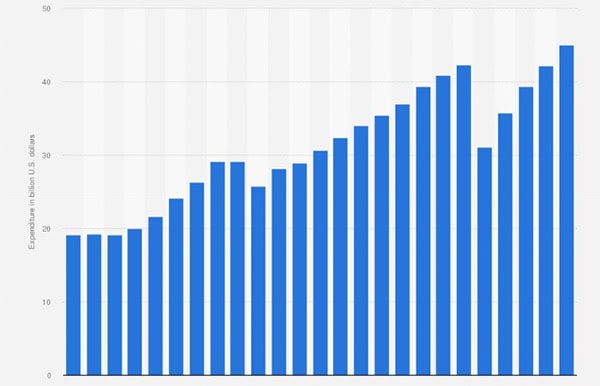
According to Statista, global OOH advertising spending reached $49.7 billion in 2024, and it’s projected to grow to $56.1 billion by 2025. This steady growth proves that even in a mobile-first, screen-saturated world, OOH advertising still plays a vital role in reaching people as they move through physical spaces.(Source) In simple terms, OOH advertising is about visibility—being seen where your customers already are.
What Are the Types of OOH Advertising?
After understanding the definition, it’s time to look at the main types of OOH advertising, each designed to grab attention in different environments.
Billboard Advertising
Billboards are perhaps the most iconic form of OOH advertising. They dominate highways, downtown streets, and rooftops. Whether static or digital, billboards deliver massive exposure. Interestingly, studies show that 71% of travelers often look at roadside billboards, and 58% learn about an event or restaurant they later visited, according to the OAAA.
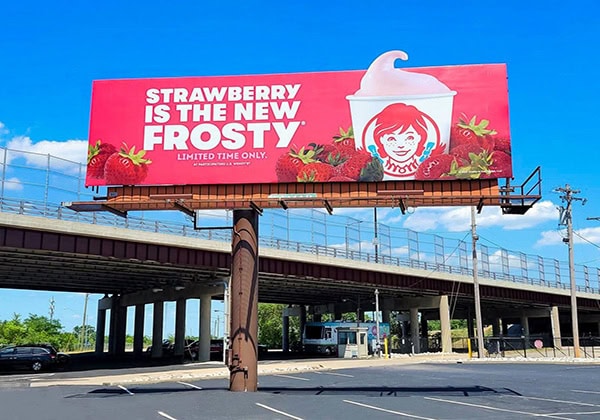
Digital billboards (DOOH) can display multiple ads and even change content based on time of day or weather — a major leap from the static boards of the past.
Transit Advertising
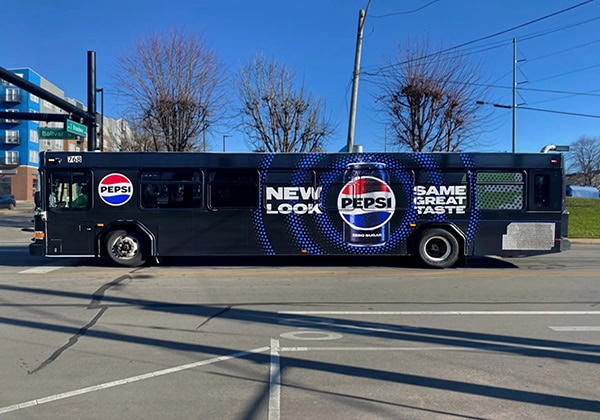
Transit advertising includes bus wraps, train station posters, taxi ads, and airport displays. This format excels at capturing commuter and traveler attention. For example, in major cities like New York or London, an average subway rider is exposed to over 50 transit ads per day.
Street Furniture Advertising
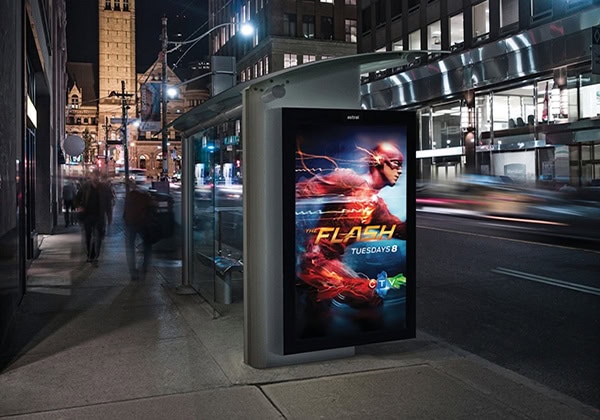
Street furniture ads appear on bus shelters, park benches, kiosks, and public charging stations. These are particularly effective in urban environments where pedestrian traffic is high.
Place-Based Advertising
This targets specific places — cinemas, gyms, shopping malls, stadiums — offering contextual and relevant messaging. A sports drink ad in a gym or an upcoming movie poster in a cinema lobby are classic examples.

What Are the Benefits of OOH Advertising?
After exploring the different types, you might wonder: why invest in OOH advertising today? Despite the rise of digital marketing, OOH advertising remains powerful for several reasons.
- Massive Reach:One well-placed billboard can be seen by tens of thousands of people daily.
- Brand Trust:Consumers tend to trust physical ads more than pop-ups or online banners.
- Enhanced Recall:According to Nielsen, 46% of OOH viewers searched online for a brand after seeing an OOH ad.
- Boosts Digital Campaigns:Studies show that pairing OOH with digital marketing can increase effectiveness by up to 40%.
When used right, OOH advertising can create strong emotional connections that digital ads alone often cannot achieve.
How Does Out-of-Home Advertising Work?
While OOH advertising looks simple on the surface, a lot happens behind the scenes:
- Planning:Marketers identify their target audience based on demographics, behaviors, and geographies.
- Selecting Locations and Formats:It’s crucial to pick high-traffic areas where the ad’s visibility will be maximized. Digital OOH also allows real-time targeting based on live data.
- Creative Development:Successful OOH ads are bold, clear, and easy to digest in under five seconds. A striking image and minimal text usually work best.
- Media Buying and Booking:Brands collaborate with media owners or agencies to reserve physical or digital ad space.
- Campaign Launch and Monitoring:Modern OOH campaigns use tracking tools, such as mobile location data, to estimate impressions and measure engagement.
Brands like McDonald’s have mastered this — placing simple ads showing just a logo and directional arrows near highway exits, leading drivers straight to the nearest location.
What Should You Consider When Planning OOH Advertising?
Understanding how OOH advertising works is just the beginning. Planning a successful campaign requires careful thought. So planning an OOH campaign demands attention to several critical factors:
- Target Audience:Who are you speaking to? Office workers, tourists, students, commuters?
- Placement Strategy:Urban billboards work for tech brands; rural road billboards work better for restaurants and gas stations.
- Creative Execution:Given that audiences have only seconds to absorb the message, simplicity and bold design are non-negotiable.
- Budget:OOH advertising costs vary widely. A high-end digital billboard in Times Square may cost $50,000 to $300,000 per month, whereas a small town highway sign could cost as little as $500.
- Timing:Seasonal events, holidays, and even the time of day can impact how effective your ad is.
- Compliance:Each city has its own regulations regarding billboard size, location, and content.
A well-planned OOH campaign doesn’t just “shout” at passersby — it seamlessly integrates into their environment and daily routine.
What Are Some Examples of OOH Advertising?
To spark your creativity, here are some real-world examples of effective OOH advertising. Some of the most memorable marketing campaigns have leveraged the power of OOH:
- Nike’s “You Can’t Stop Us” Campaign:Gigantic digital murals that adapted live sports highlights as they happened.
- Netflix’s Billboard Takeover:Entire city blocks covered with humorous, minimalist posters promoting new shows.

- McDonald’s “Follow the Arches”:Clever use of partial logos and directional arrows guiding people to nearby restaurants.

These creative OOH advertising examples show how powerful simplicity, boldness, and timing can be when combined correctly.
How Much Does OOH Advertising Cost?
After exploring the types and examples, you’re probably wondering about the costs. OOH advertising costs can vary widely depending on the location, format, size, and campaign duration. Here is a quick table to tell you the cost of some common locations:
| Location Type | Average Monthly Cost |
| Times Square Digital Billboard | $50,000 – $300,000 |
| Highway Billboard (Urban) | $1,500 – $30,000 |
| Bus Shelter Poster | $300 – $3,000 |
| Transit Advertising Wrap | $2,000 – $10,000 |
Prices may vary based on demand and seasonality. Working with experienced OOH agencies can also help brands negotiate better deals.
How to Measure OOH Advertising Effectiveness?
Tracking the success of OOH campaigns involves several modern techniques:
- Mobile Location Data:By tracking devices near ad locations, brands can estimate foot traffic and exposure.
- QR Codes, NFC, and Short URLs:Easy ways to drive immediate interaction and track engagement.
- Social Media Monitoring:Many successful OOH campaigns are photographed and shared online, creating valuable organic buzz.
- Sales Lift Analysis:Brands often compare sales data before and after the campaign in targeted regions.
For example, after launching a targeted OOH campaign in major U.S. cities, Spotify reported a 24% increase in brand awareness within three months.
How Is Technology Changing OOH Advertising?
The rise of DOOH and smart technologies is reshaping the industry:
- Dynamic Content:Digital screens can update in real-time based on news, weather, or audience demographics.
- Interactive Experiences:Touch screens, motion sensors, and augmented reality elements encourage direct engagement.
- Programmatic Buying:Brands can now buy OOH ad space programmatically, just like online ads, optimizing performance in real time.
- OOH Management Software:Platforms like Broadsign and Vistar Media streamline campaign planning, buying, and reporting.
OOH advertising today is as much about data as it is about design.
What Is the Future of OOH Advertising?
As technology advances, the future of OOH advertising looks more exciting than ever:
- AI-Driven Personalization:Real-time audience analytics will allow ads to adapt content based on who’s watching.
- Greener Initiatives:Expect to see more eco-friendly materials and solar-powered displays.
- Seamless Integration with AR/VR:OOH spaces will increasingly connect physical ads with immersive digital experiences.
- Higher Measurement Standards:More brands will demand transparent, reliable measurement tools before investing.
As the lines blur between offline and online, OOH advertising will continue to be an essential touchpoint in any multichannel marketing strategy.
Conclusion
OOH advertising remains one of the most powerful ways to reach people in the real world—beyond their phones and feeds. From iconic billboards to dynamic digital screens, it grabs attention and leaves a lasting impact. As technology evolves, so does the effectiveness of out-of-home advertising. Want to boost your brand’s visibility? Contact us to discover how our Outdoor LED Display solutions can bring your OOH advertising to life!
Related Articles You May Like:
How’s LED Digital Advertising In The Philippines?
Advertising in Ethiopia: P7.81 Eco Pro LED Screens
What Is Billboard Advertising And Why Choose A Media Façade?
The Rise Of 3D LED Displays In The Philippine Advertising Industry
Winning Strategies: The Ultimate Guide to Football LED Advertising
Outdoor HD LED | Out Of Home Advertising Vietnam | Man Hinh LED P5